Loading
Category
Wall Ovens
Wall ovens are built into cabinetry, which makes them the least forgiving appliance to replace. The cutout, the cabinet depth and the electrical supply are all decided by what is already there.
Data coverage: 0 of 8 products have a verified live price. Newest price check . Price-state and stale-data rules
Products
8
From
$1,999
Avg Price
$2,987
Brands
6

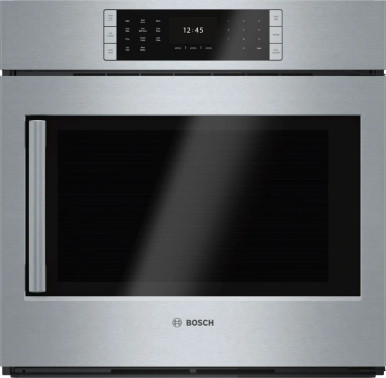


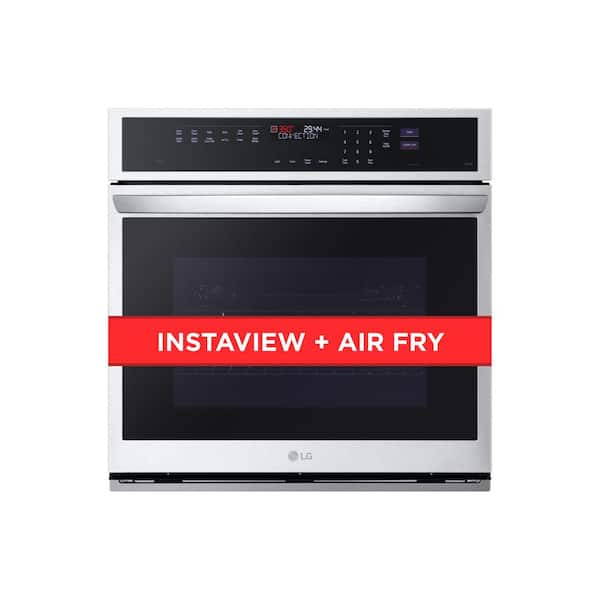

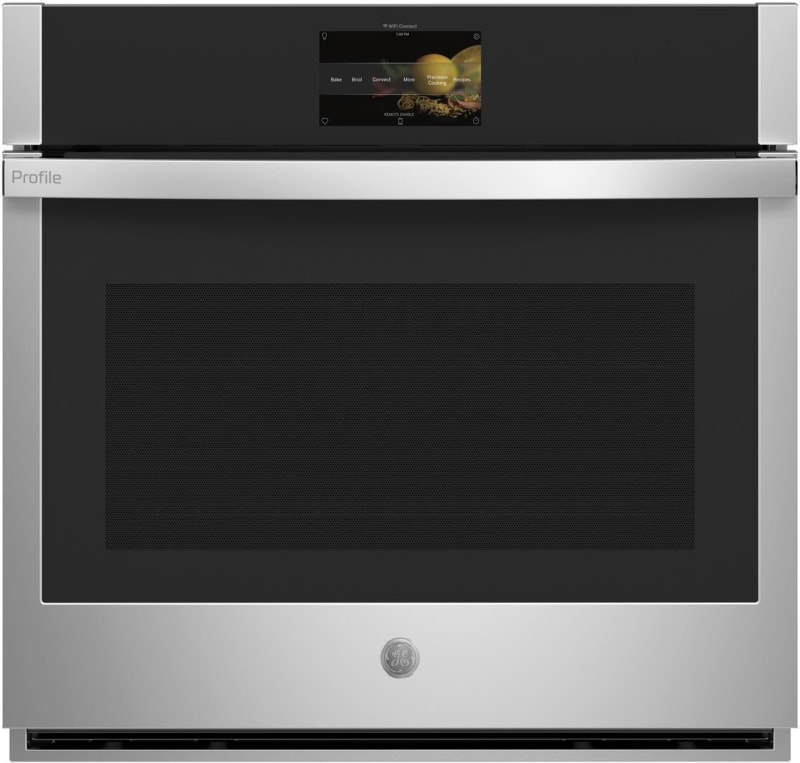

Buying Guide
How to choose wall ovens
Cutout dimensions govern everything
Wall ovens come in standard nominal widths, but the required cutout varies between manufacturers within the same nominal size. Replacing one brand with another can leave a gap at the trim or fail to fit at all. Compare the new model's specified cutout against your actual opening, measured rather than assumed.
Cabinet depth and support
The cabinet has to be deep enough for the oven body and strong enough to carry it: a double oven is heavy, and the weight sits on a support rail rather than on the trim. If the existing cabinet was built for a lighter single oven, it may need reinforcing.
Hardwired or plugged in
Many wall ovens are hardwired to a dedicated 240V circuit rather than plugged in, which makes installation an electrician's job rather than a delivery crew's. Check both how the new oven terminates and what is currently in the cabinet, since they do not always match.
Single, double, or a combination
A double oven occupies roughly twice the vertical cabinet run and is a real commitment of wall space. A combination unit pairing an oven with a microwave or steam oven fits the same stack and suits households that would rarely run two full ovens at once.
Because the fit is so constrained, check the installation manual for the specific model before ordering rather than relying on the nominal width, since it is the document that tells you whether this oven goes into that hole.
More depth: which brands hold up and when appliances actually go on sale.
Wall Ovens
Frequently Asked Questions
Are wall oven sizes standard between brands?+
Nominal widths are standard, but the required cutout is not: two ovens both described the same nominal size can need different openings and have different trim dimensions. Replacing across brands is where this bites, so compare the specified cutout in each installation manual against your measured opening.
Can I install a wall oven myself?+
The physical fitting is achievable with help, since the ovens are heavy and awkward. The electrical connection often is not: many are hardwired to a dedicated 240V circuit, which is an electrician's job and may be a code requirement where you live.
Is a double wall oven worth the space?+
It is if you regularly cook at two temperatures at once, which in most households means holidays and entertaining rather than weeknights. The alternative many people prefer is a single oven paired with a microwave or steam oven in the same stack, which uses the cabinet run more of the time.