Loading
Category
Super Automatic Machines
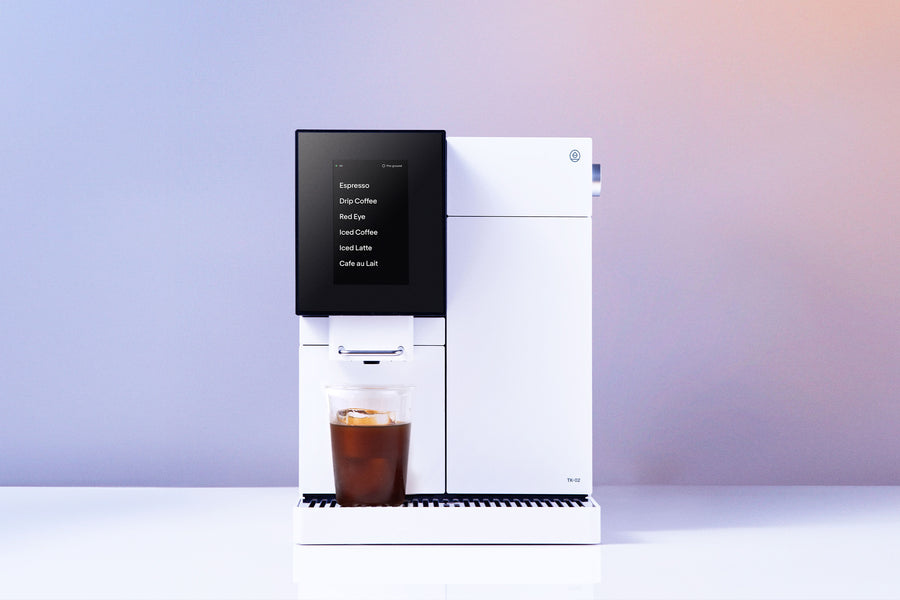
A super-automatic grinds, doses, brews and froths behind a closed door, so the decision is not about brewing technique. It is about the drinks you want on the panel, and about which parts you will be cleaning.
Data coverage: 0 of 12 products have a verified live price. Newest price check . Price-state and stale-data rules
Products
12
From
$799
Avg Price
$1,816
Brands
6




Buying Guide
How to choose super automatic machines
The milk system is the part you maintain
This is the single biggest difference in daily ownership. Some machines pull milk from a refrigerated carafe you detach and store, some from a tube into your own container, and some froth into the cup. Whichever it is, milk lines need rinsing after use, so check whether the machine has an automatic rinse cycle and whether the carafe parts are dishwasher safe.
Removable brew group or sealed
Machines with a brew group you can pull out and rinse under the tap are straightforward to keep clean and cheaper to service. Sealed systems run automated cleaning cycles instead and rely on tablets and descaler. Neither is wrong, but they are different long-term relationships.
Count the drinks you will actually press
One-touch drink counts range from a handful to well over twenty. A large number is genuinely useful if your household drinks different things; it is marketing if everyone drinks the same flat white. Look for the specific drinks you want rather than the headline count.
Bean flexibility and a bypass chute
Most super-automatics take whole beans only, but many include a bypass chute for pre-ground coffee, the practical way to make one decaf in the evening without emptying the hopper. Machines with two hoppers or a swappable bean container solve the same problem differently.
Water hardness decides the descaling burden
Scale is the main killer of these machines. Most take a water filter in the tank and let you set the hardness so the descale prompt matches your supply. Using the filter and setting it correctly is the difference between descaling occasionally and fighting the machine.
Because everything is enclosed, the specs that separate these machines are workflow specs, not brewing specs: drink count, milk system and cleaning are what you will notice on day 400.
More depth: which machine type fits how you actually drink coffee and how to read a grinder spec sheet.
Super Automatic Machines
Frequently Asked Questions
Are super-automatic machines worse than semi-automatics?+
Different, not worse. A super-automatic removes technique from the process, which costs you control and gains you a consistent drink with one button press. If the ritual is part of the appeal, you will find it unsatisfying; if the drink is the point, it is the machine that gets used every day rather than at weekends.
How much maintenance does a super-automatic need?+
Daily or per-use rinsing of the milk system, emptying the grounds container and drip tray every few days, and descaling on a schedule the machine prompts based on your water hardness. Models with a removable brew group add a periodic rinse of that part, which is quick and keeps the machine healthier.
Can I use pre-ground coffee in a super-automatic?+
Usually yes, through a bypass chute intended for exactly that, most often for a single decaf without emptying the bean hopper. It is a per-drink workaround rather than a way to run the machine full time.