Loading
Category
Refrigerators
Which refrigerator to buy is well covered elsewhere on this site. What trips people up is the day it arrives: whether it fits through the door, whether the doors can open where it will stand, and whether there is a water line behind it.
Data coverage: 4 of 24 products have a verified live price. Newest price check . Price-state and stale-data rules
Products
24
From
$1,599
Avg Price
$3,227
Brands
6
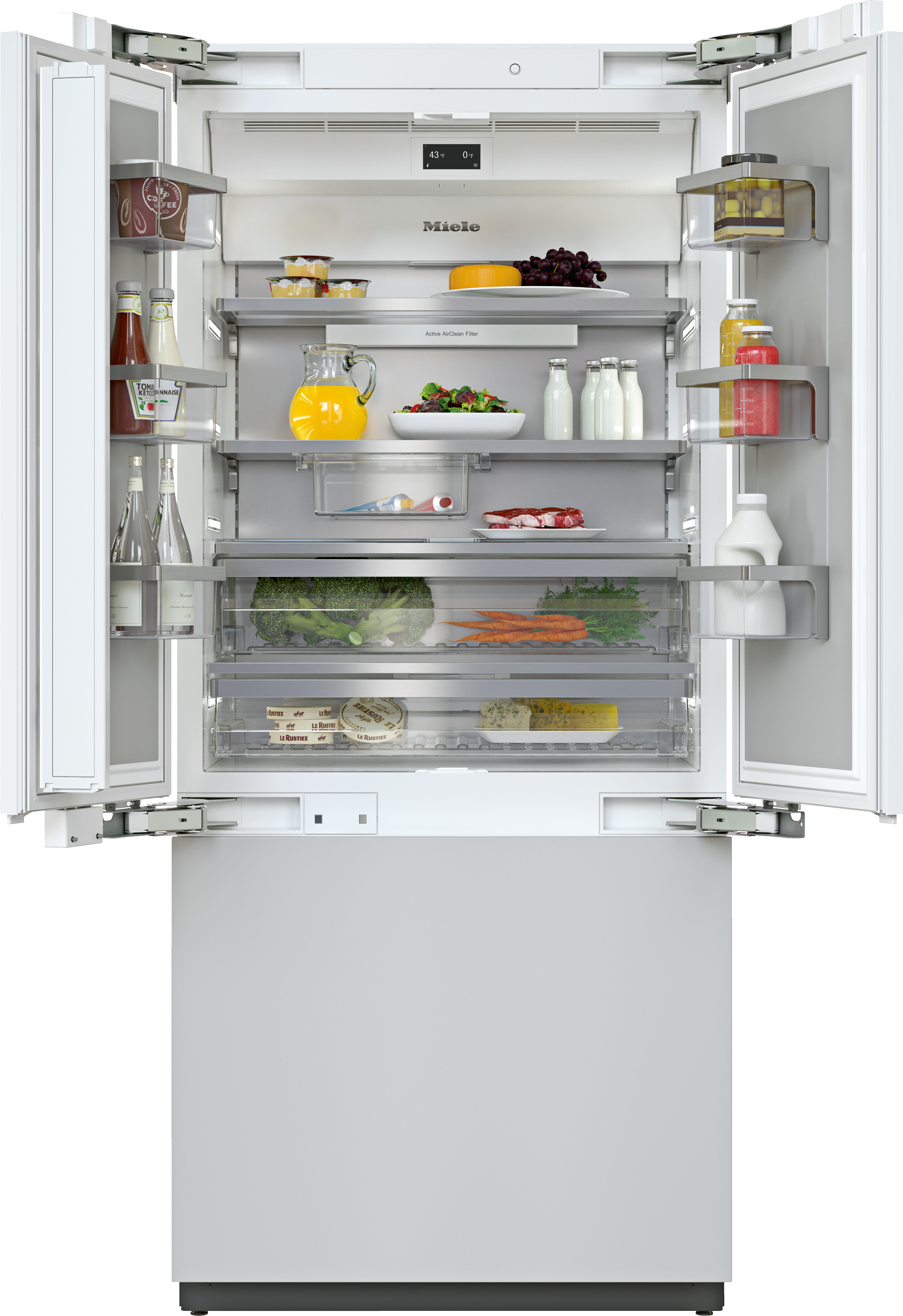

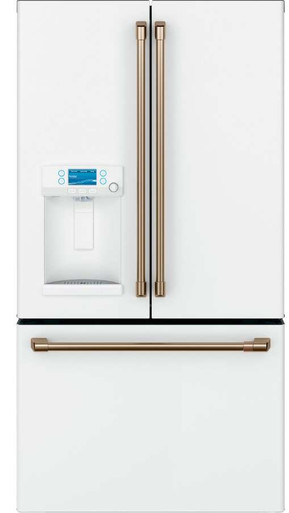





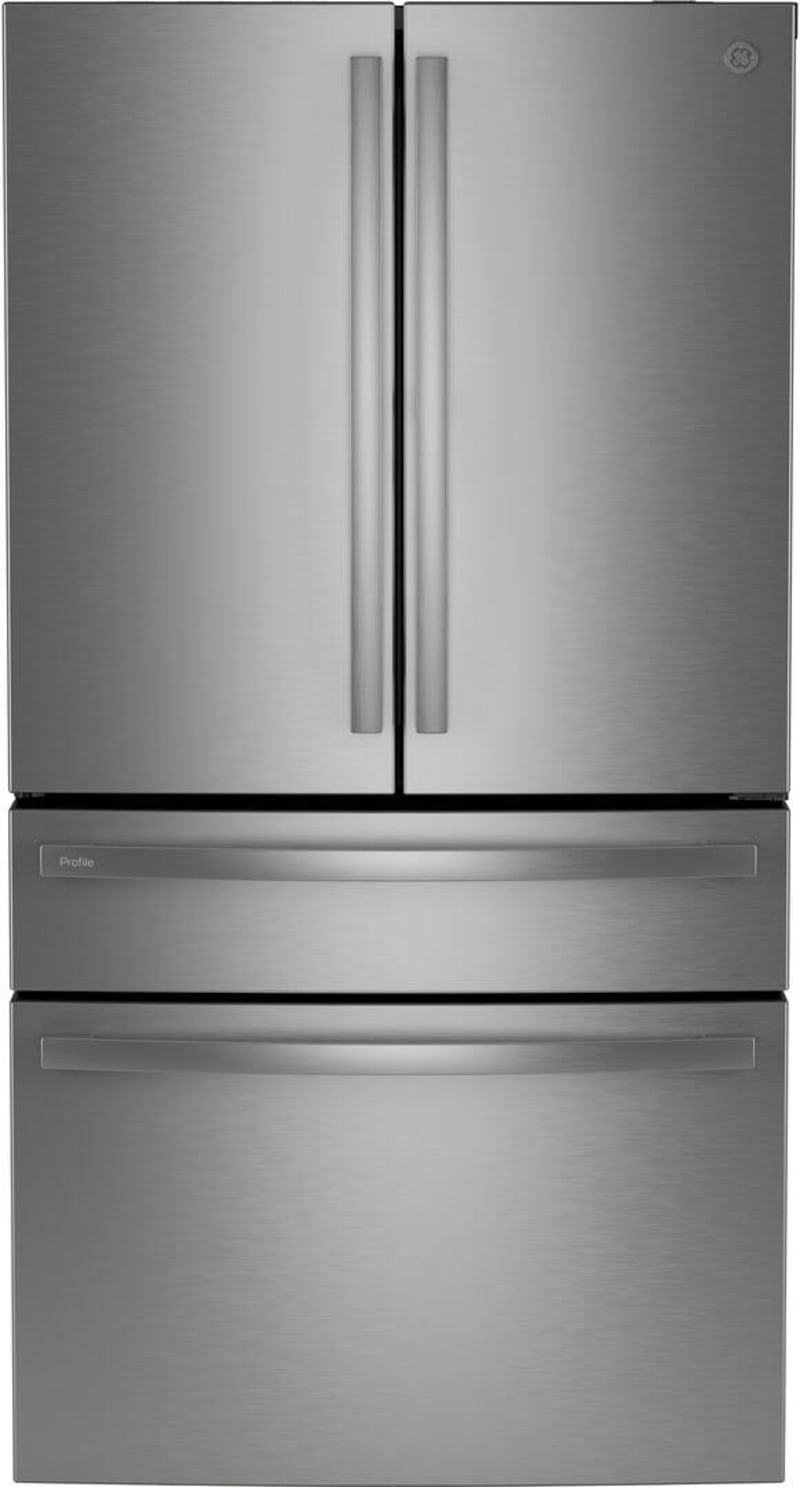
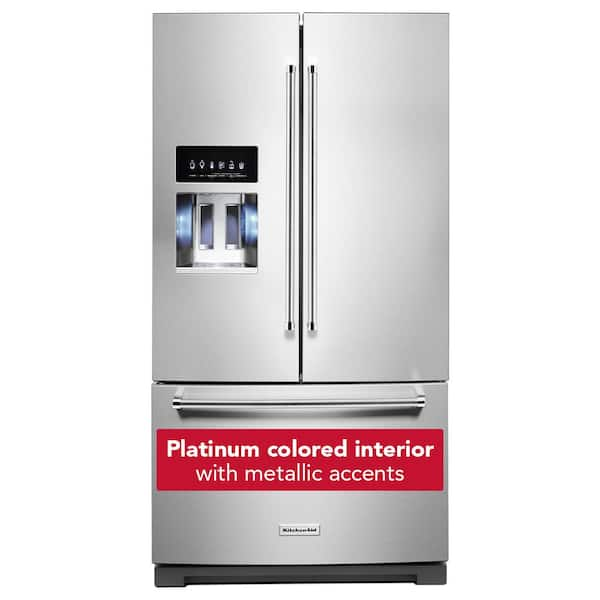
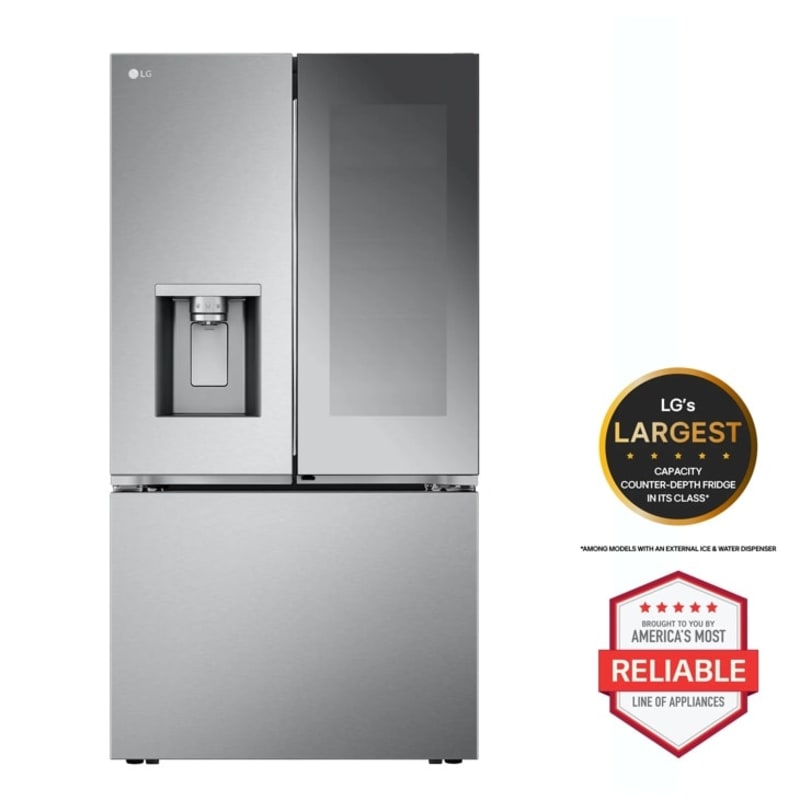
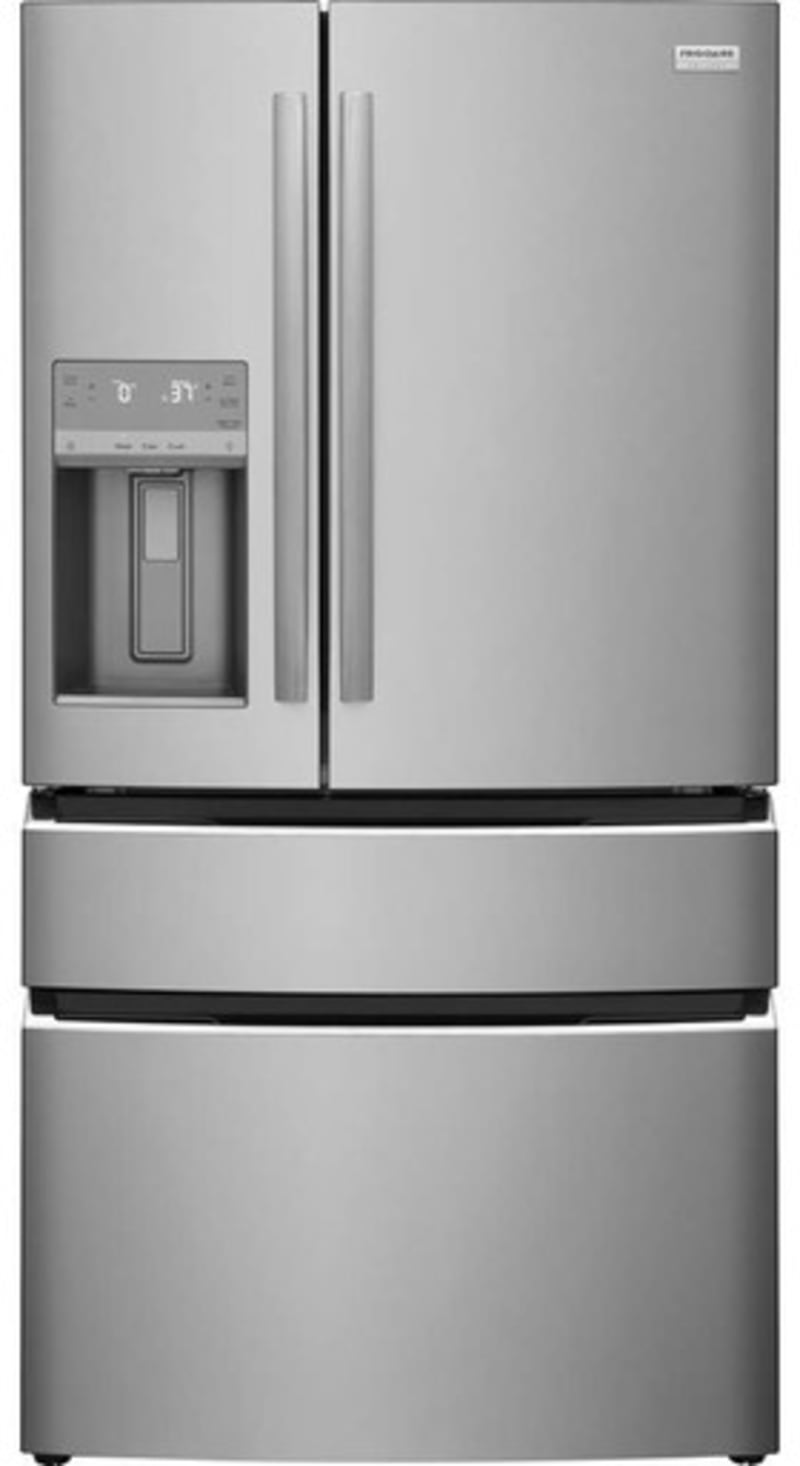


Buying Guide
How to choose refrigerators
Measure the route, not just the space
The most common delivery failure is a refrigerator that fits the alcove perfectly and will not pass the front door, a hallway turn or a stair return. Measure the narrowest point on the path in, including door frames with the doors removed if necessary. Many refrigerator doors can be taken off to gain a couple of inches, but confirm that for the model rather than assuming.
Door swing and handle clearance
A refrigerator against a side wall needs clearance beyond its own width for the door to open far enough to pull the crisper drawers out. French-door and side-by-side models need less swing than a single wide door, which is often the real reason to choose one in a narrow galley kitchen. Check which side the hinges are on and whether they can be reversed.
Water line for ice and dispensers
Any model with an icemaker or water dispenser needs a cold water supply behind it. If your kitchen has never had one, that is a plumbing job to arrange before delivery, not on the day. Some models offer an internal reservoir instead, which avoids the plumbing at the cost of refilling it.
Height including hinges, and ventilation
Published height is usually to the top of the cabinet, and the hinge cap can add to it. Refrigerators also need an air gap at the back and top to shed heat, so a unit crammed tight into a cabinet opening runs hotter and works harder. Check the manufacturer's stated clearances rather than filling the space exactly.
Counter-depth still projects
Counter-depth models line up with your cabinet fronts, but the doors and handles sit proud of that line: the flush look is about the cabinet box, not the whole appliance. If a walkway behind is tight, measure to the handle rather than to the case.
Arrange haul-away of the old unit when you book delivery. It is far cheaper as part of the order than as a separate collection afterwards.
More depth: counter-depth against standard-depth and French-door picks.
Refrigerators
Frequently Asked Questions
How much clearance does a refrigerator need?+
Manufacturers typically ask for a small gap at the sides and rear and more above, so the condenser can shed heat. Filling the opening exactly makes the compressor run longer and shortens its life. The exact figures are in the installation manual for each model and are worth checking before cabinetry is built around it.
Will my new refrigerator fit through the door?+
Measure the narrowest point on the delivery path (usually a front door frame or a stair turn) and compare it to the refrigerator depth with the doors removed, since most models allow that. This is the most common cause of a failed delivery and it is entirely avoidable with a tape measure.
Do I need a plumber for a refrigerator with an icemaker?+
Only if there is no cold water line already at that spot. Delivery crews will usually connect to an existing valve but will not install new plumbing. If your kitchen has never had a plumbed refrigerator, arrange the supply before the delivery date or choose a model with an internal water reservoir.