Loading
Category
Ranges
Fuel type is covered in depth in our range guide. The decisions that stay with you are structural: whether the range slides into a cabinet run or stands free, what it plugs into, and whether the anti-tip bracket actually got fitted.
Data coverage: 2 of 18 products have a verified live price. Newest price check . Price-state and stale-data rules
Products
18
From
$949
Avg Price
$2,485
Brands
6







Buying Guide
How to choose ranges
Slide-in or freestanding is a cabinetry decision
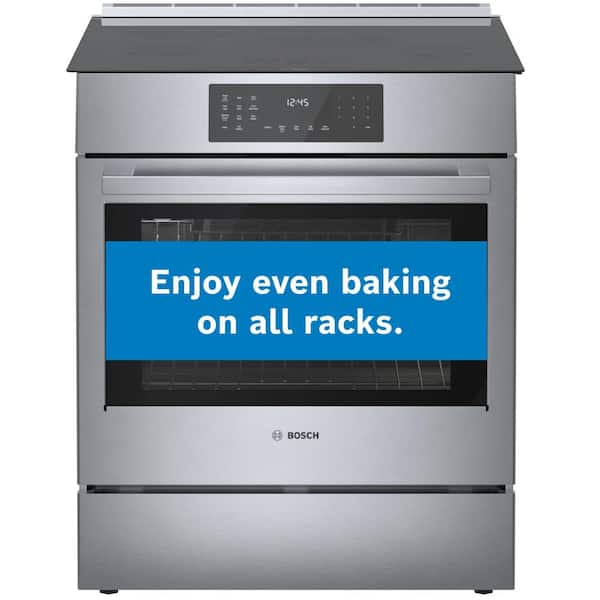
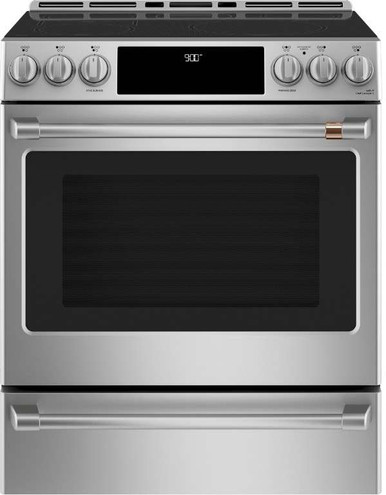
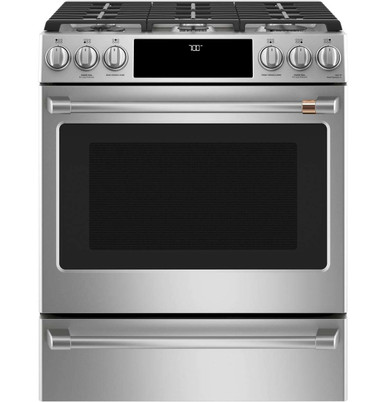
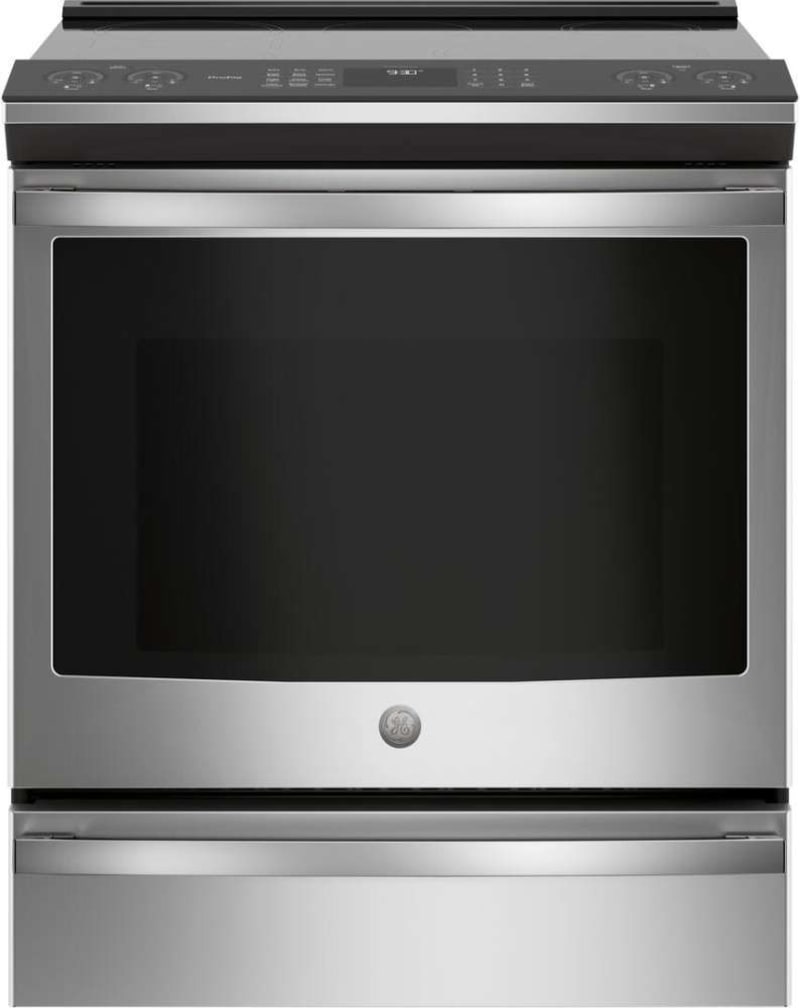
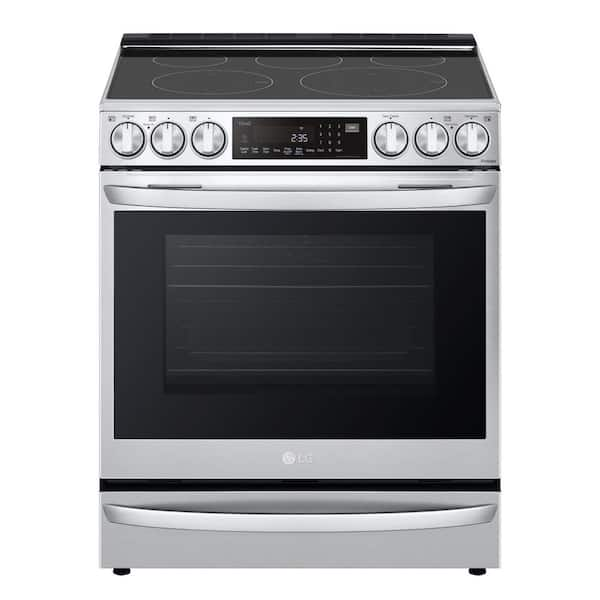
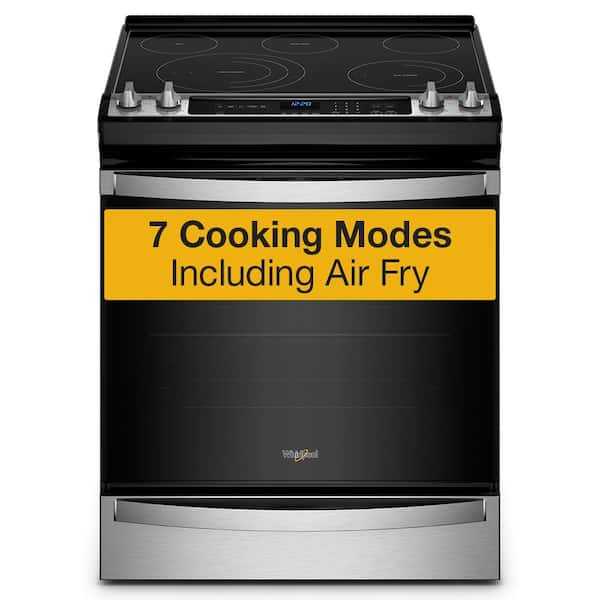
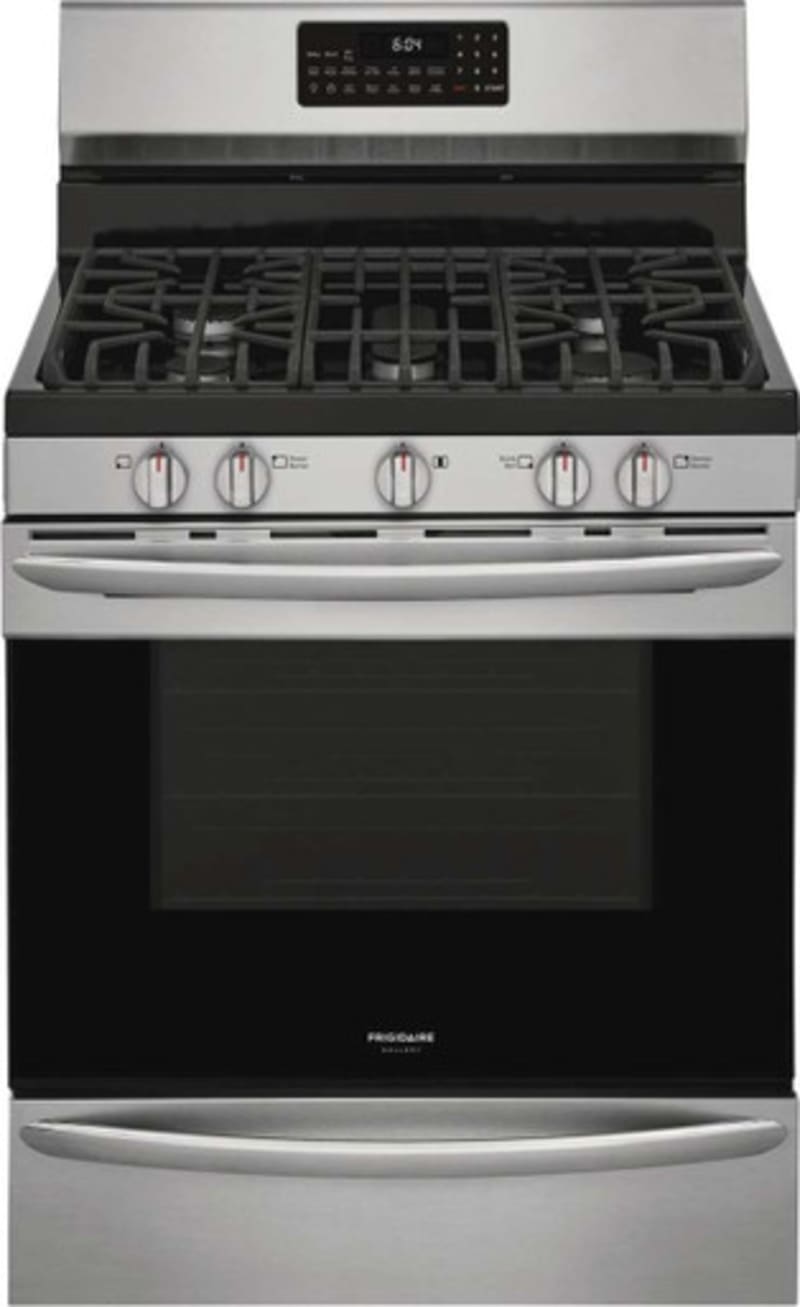
A freestanding range has finished sides and a backguard, and can stand alone at the end of a run. A slide-in has unfinished sides, overlaps the countertop at the front for a built-in look, and needs cabinets on both sides to look right. Swapping one type for the other usually means countertop work, so match what you have unless you are remodelling.
What it connects to
Gas ranges need a gas supply and a standard outlet for the electronics and igniters. Electric and induction ranges need a dedicated 240V circuit, and induction often wants more amperage than an older radiant range drew. Replacing electric with gas, or upgrading to induction, may mean an electrician or a gas fitter before delivery day.
The anti-tip bracket is not optional
Every free-standing range ships with a bracket that anchors it to the floor or wall so it cannot tip forward when weight is put on an open door. It is a genuine child-safety device and it is frequently left in the box by rushed installers. Confirm it has been fitted before the crew leaves.
Width is standardised, depth is not
Thirty inches is the near-universal cutout width, which is why most ranges swap in easily. Depth and door projection vary more, and a deep door on a range opposite an island can block the walkway when open. Measure the opposing clearance, not just the opening.
Clearance above, and ventilation
There is a minimum distance between the cooktop surface and any cabinet or hood above it, and it differs for gas and electric. Gas in particular produces combustion products that want real extraction to the outside rather than a recirculating filter.
More depth: gas against electric against induction and which brands hold up.
Ranges
Frequently Asked Questions
What is the difference between a slide-in and a freestanding range?+
A freestanding range has finished side panels and a raised backguard with the controls, and can sit at the end of a cabinet run or alone. A slide-in has unfinished sides, front-mounted controls and a lip that overlaps the countertop for a built-in appearance, so it needs cabinets either side. They are not directly interchangeable without countertop work.
Can I replace an electric range with a gas one?+
Only if a gas line runs to that location, or can be run there. Gas ranges also still need an electrical outlet for ignition and controls. Going the other way, to electric or induction, requires a dedicated 240V circuit of adequate amperage, which an older kitchen may not have.
Is the anti-tip bracket really necessary?+
Yes. It stops the range tipping forward if weight is applied to an open oven door, which is a real hazard where children are present. It is supplied with the appliance and takes minutes to fit, but is one of the most commonly skipped installation steps, so check it is done.