Loading
Category
Portable Power Stations
Capacity and output decide what a power station can run, and those two numbers are covered thoroughly in our sizing guides. What the spec sheet hides is how long the battery lasts in years, whether it can catch a load fast enough to matter, and what buying into one brand commits you to.
Data coverage: 12 of 45 products have a verified live price. Newest price check . Price-state and stale-data rules
Products
45
From
$149
Avg Price
$1,538
Brands
6
#1 TOP RATED
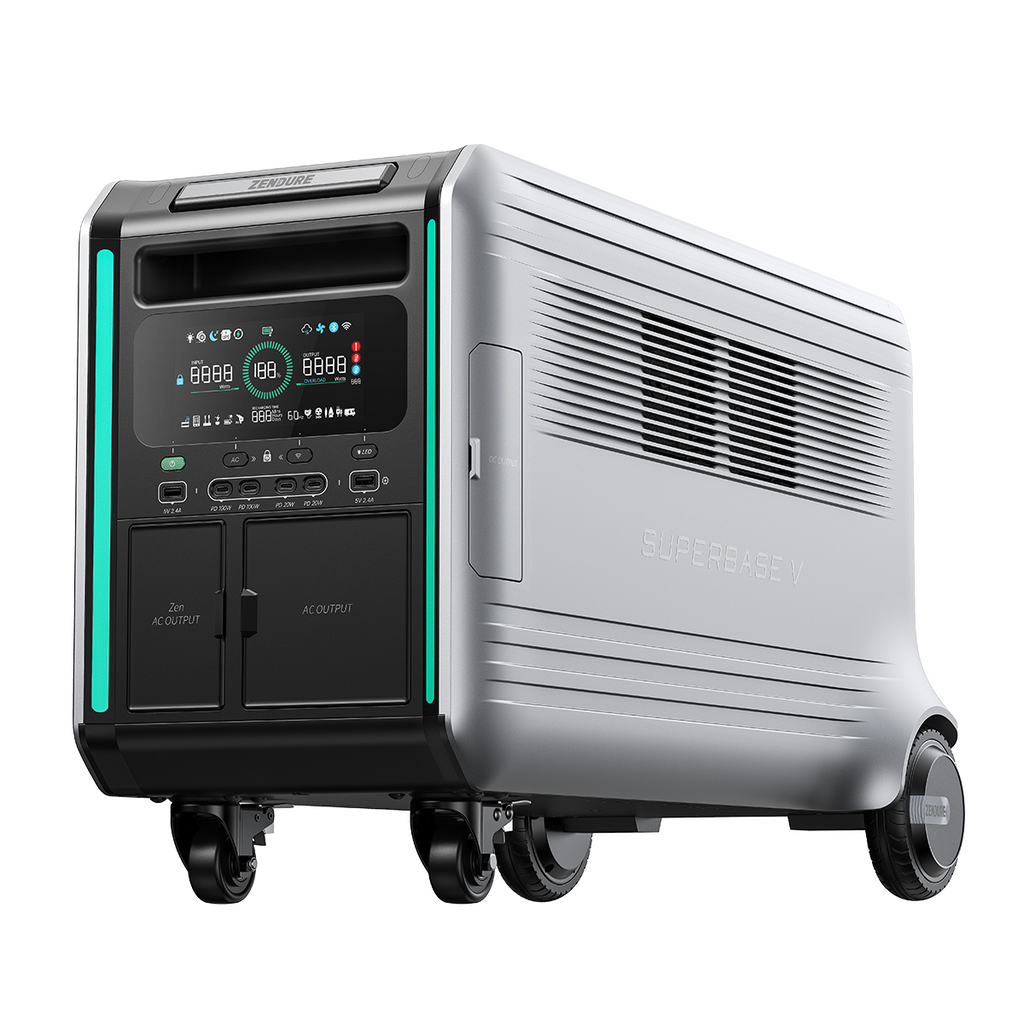
Power StationPortable Power Stations
Zendure
Zendure SuperBase V6400
$5,999MSRP baseline
Compare prices →



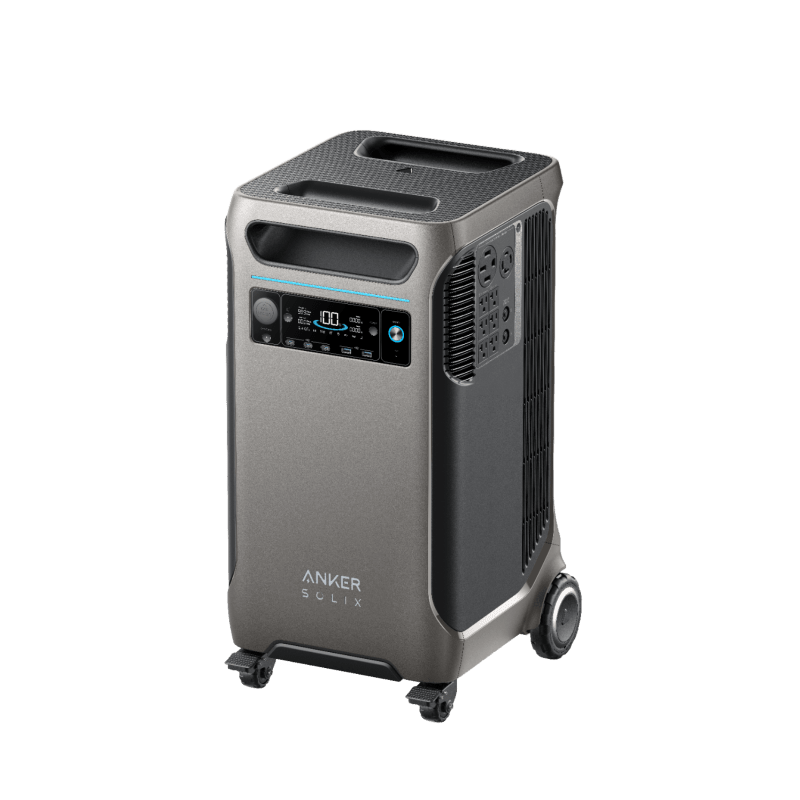


Power StationPortable Power Stations
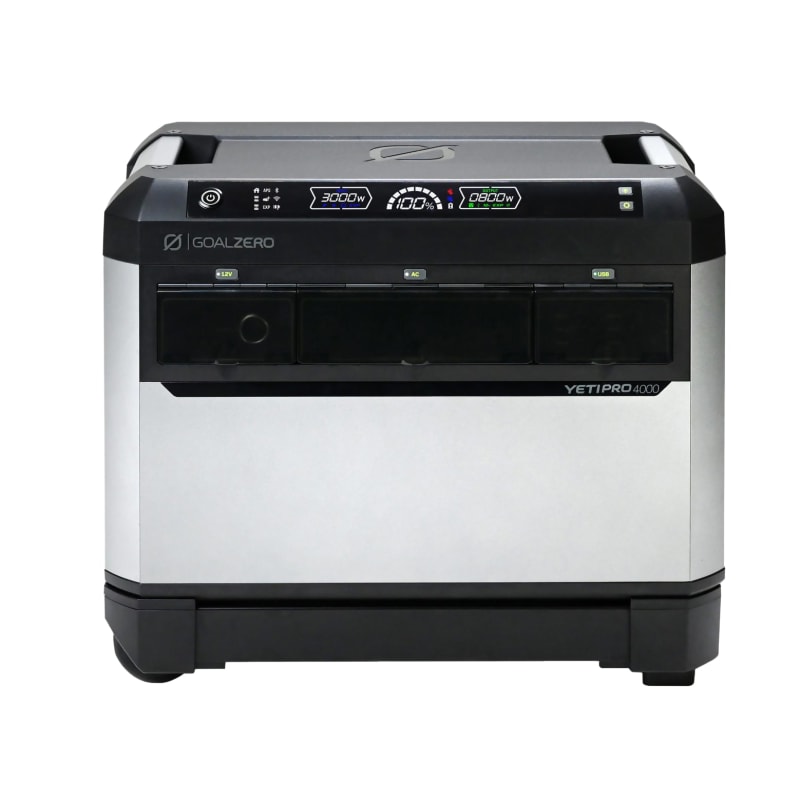
Goal Zero
Goal Zero Yeti 1500X
$1,999MSRP baseline
Compare prices →







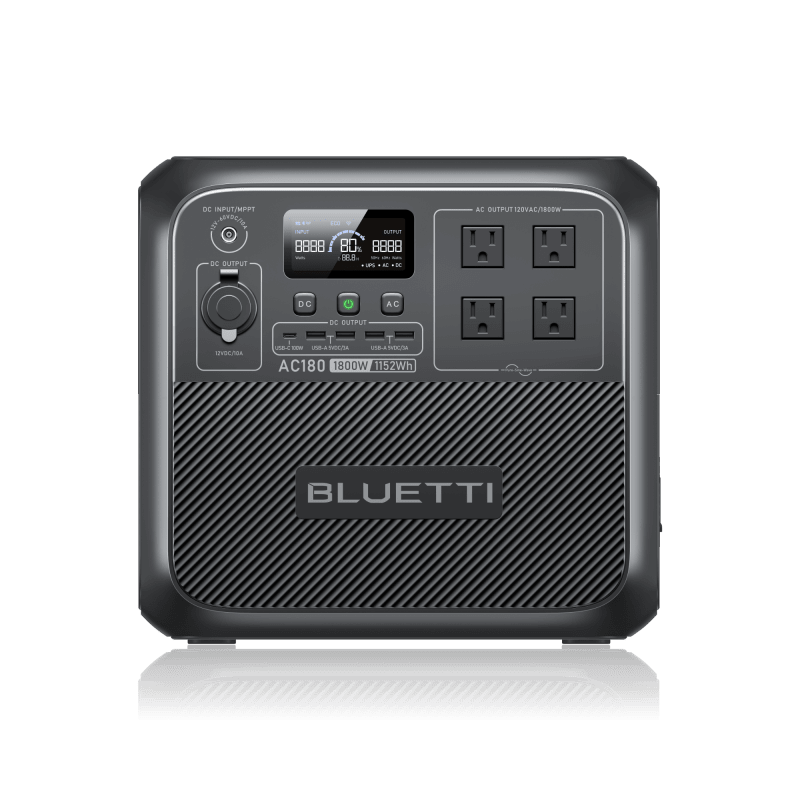


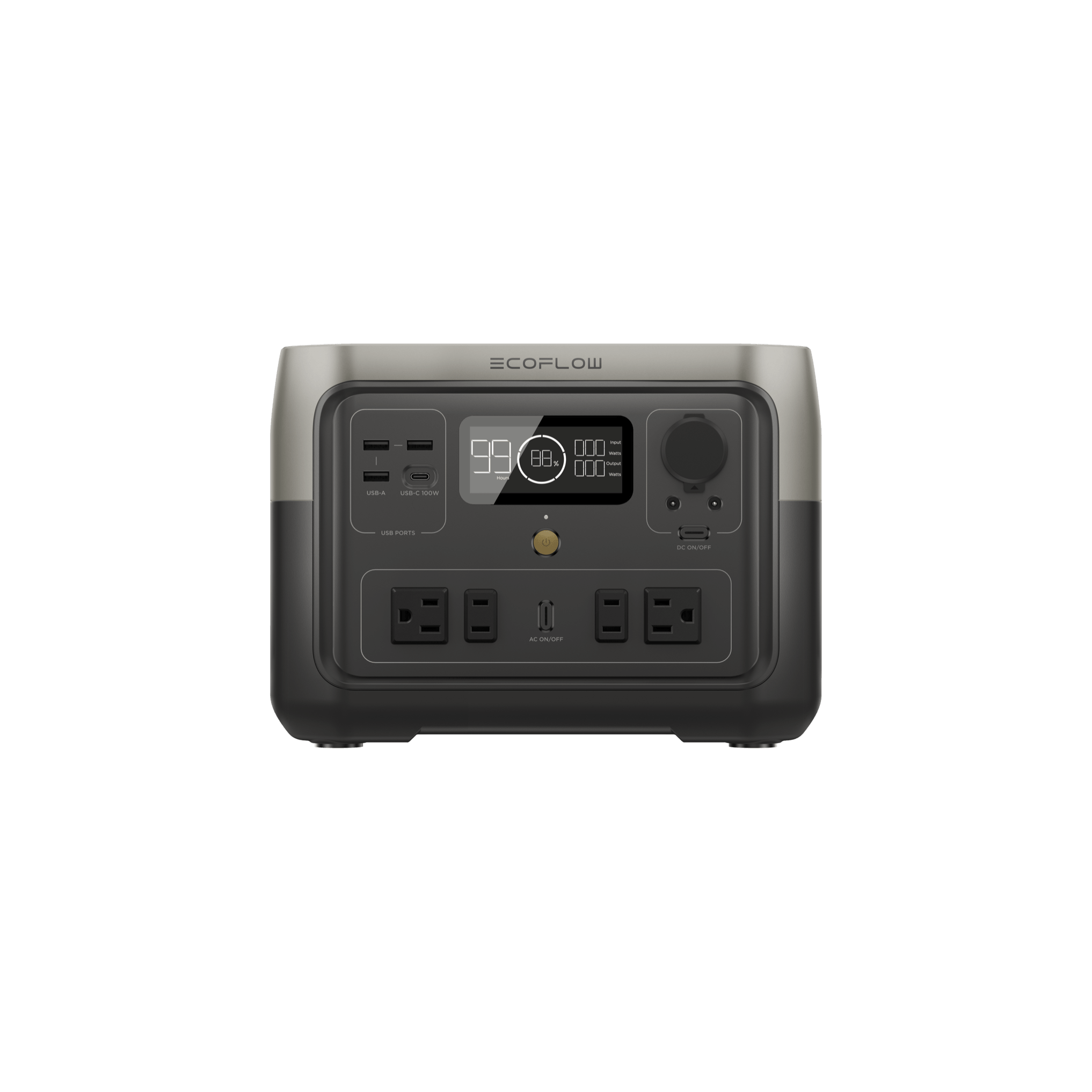


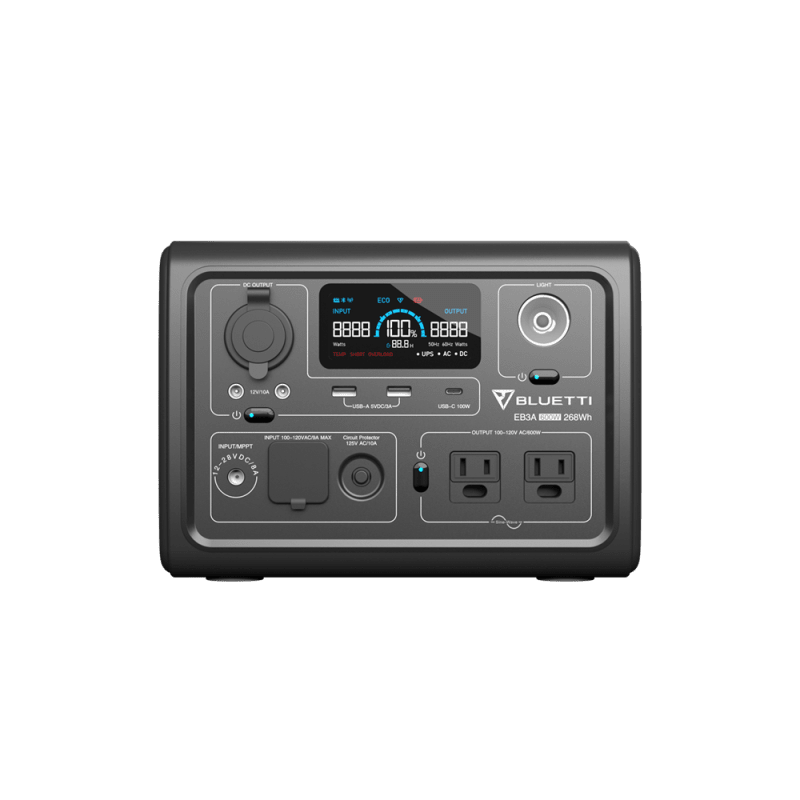


Buying Guide
How to choose portable power stations
Chemistry is the lifespan spec
LiFePO4 (also written LFP) cells typically hold most of their capacity past a few thousand charge cycles; older NMC lithium-ion chemistry is usually rated for several hundred. For a unit that sits charged and is cycled occasionally that difference may never surface, but for daily or seasonal use it is the difference between a decade of service and a few years. LiFePO4 is also more thermally stable and heavier for the same capacity.
Surge headroom, not just continuous output
Anything with a motor or compressor (fridges, pumps, power tools, some microwaves) draws several times its running wattage for a fraction of a second at startup. A station whose continuous rating covers the running load can still trip on that spike. Check the surge figure against the startup draw of the worst thing you plan to plug in, not against its steady draw.
Pass-through and UPS switchover time
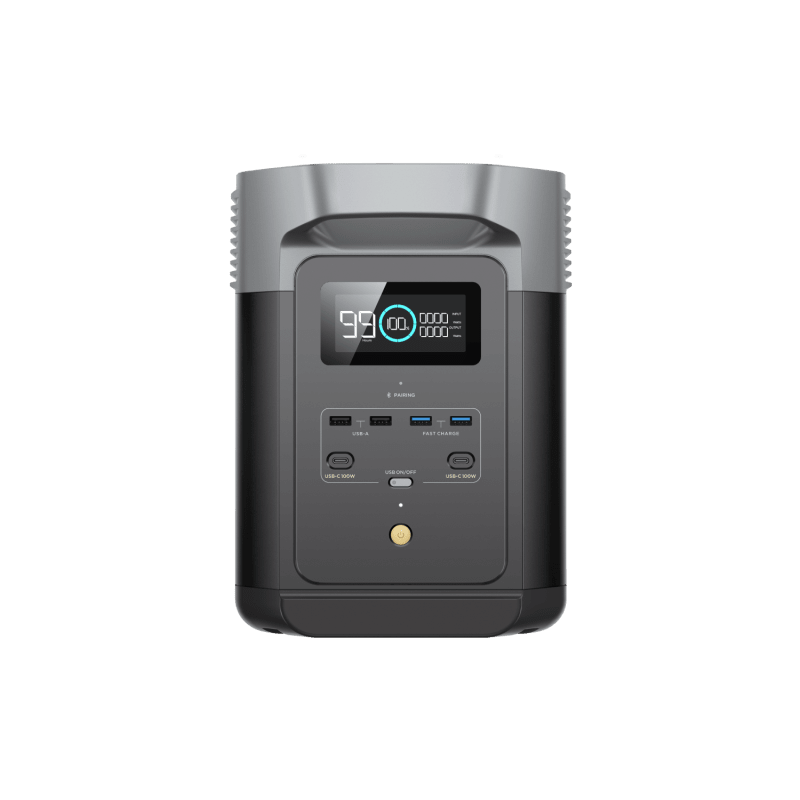
Pass-through charging does not establish uninterrupted power. Check the exact transfer time and test compatibility: EcoFlow Delta 2 EPS switches within 30ms and is not a zero-millisecond UPS for sensitive devices. Follow both manuals and a care-team backup plan for home CPAP; general stations are not emergency life-sustaining power systems. Check low-load shutdown settings for intermittent loads such as refrigerators.
Expandability locks you into an ecosystem
Stations that accept add-on batteries let you buy capacity later instead of replacing the unit. The catch is that expansion batteries are model-specific and rarely cross brands or even generations, so choosing an expandable station is choosing a family to stay in. Check the maximum expanded capacity before assuming headroom exists.
How you store it between emergencies
A backup unit spends most of its life idle. Lithium batteries prefer to sit at partial rather than full charge, and every station self-discharges slowly, so a unit left in a cupboard for a year may be flat when you need it. Check the recommended storage charge level and put a recurring reminder in the calendar to top it up.
If backup during outages is the reason you are buying, work out the loads first and let that set the capacity: the sizing guides below do that math rather than repeating it here.
More depth: what size actually runs a refrigerator, picks for storm backup and how the four main brands differ.
Portable Power Stations
Frequently Asked Questions
Is LiFePO4 worth paying more for?+
If the station will be cycled regularly, yes: LiFePO4 cells are typically rated for several thousand cycles against several hundred for older NMC lithium-ion, so the cost per usable cycle usually favours LiFePO4 despite the higher purchase price. For a unit that sits charged and is used only in occasional outages, the difference matters far less.
Can a power station run while it is charging?+
Many models support pass-through charging, but this is not a guarantee of uninterrupted power. Check the exact manual, transfer time and load compatibility. Delta 2 EPS transfers within 30ms, not 0ms, and requires compatibility testing. Follow device-specific home CPAP backup instructions; do not rely on general stations for emergency life-sustaining equipment.
How long do portable power stations last?+
The battery is the limit, and it is rated in cycles rather than years. Chemistry sets that rating, and how deeply you discharge it each time affects how quickly you use those cycles up. Most units also let you cap charging below 100% to reduce wear, which is worth using for one kept permanently plugged in.