Loading
Category
Pellet Grills
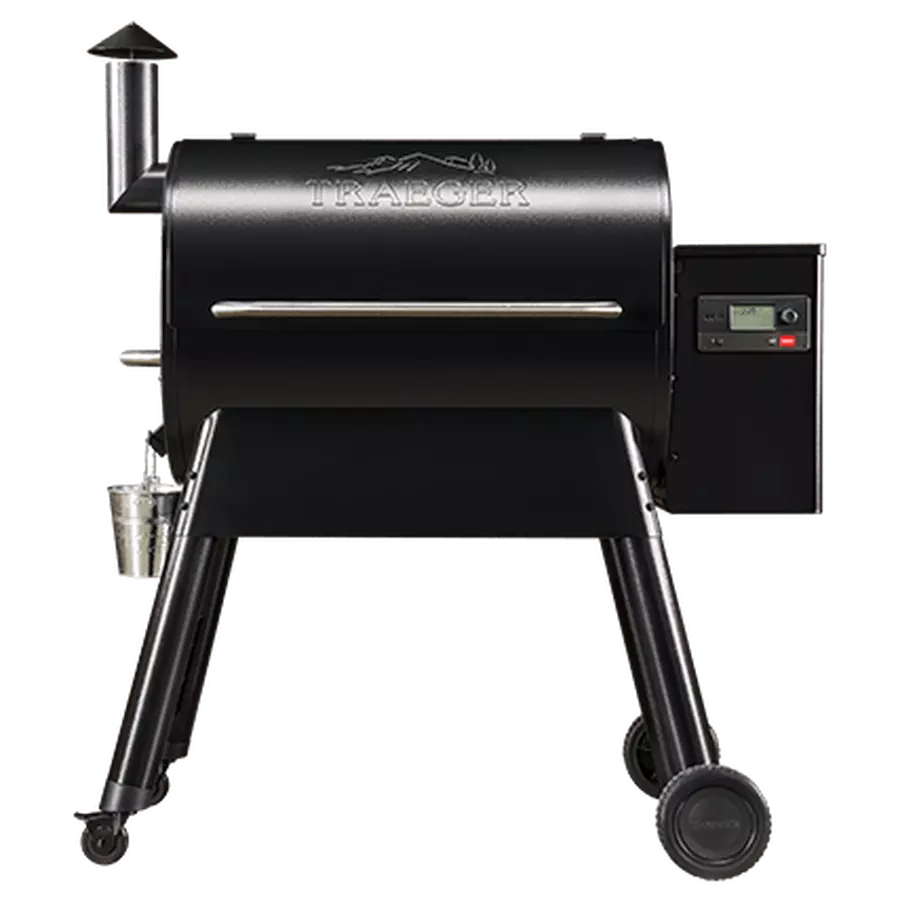
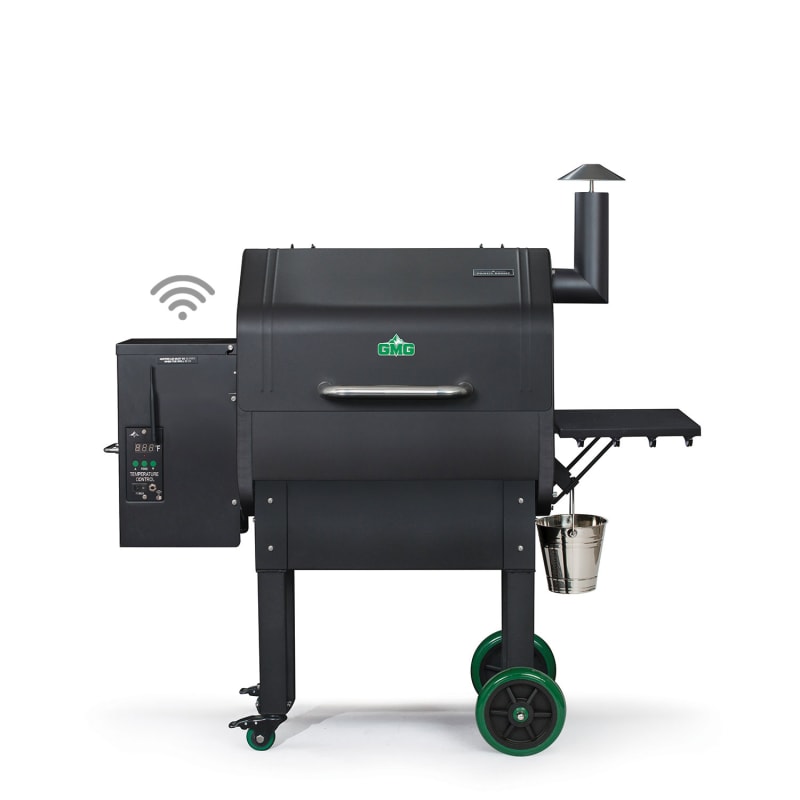
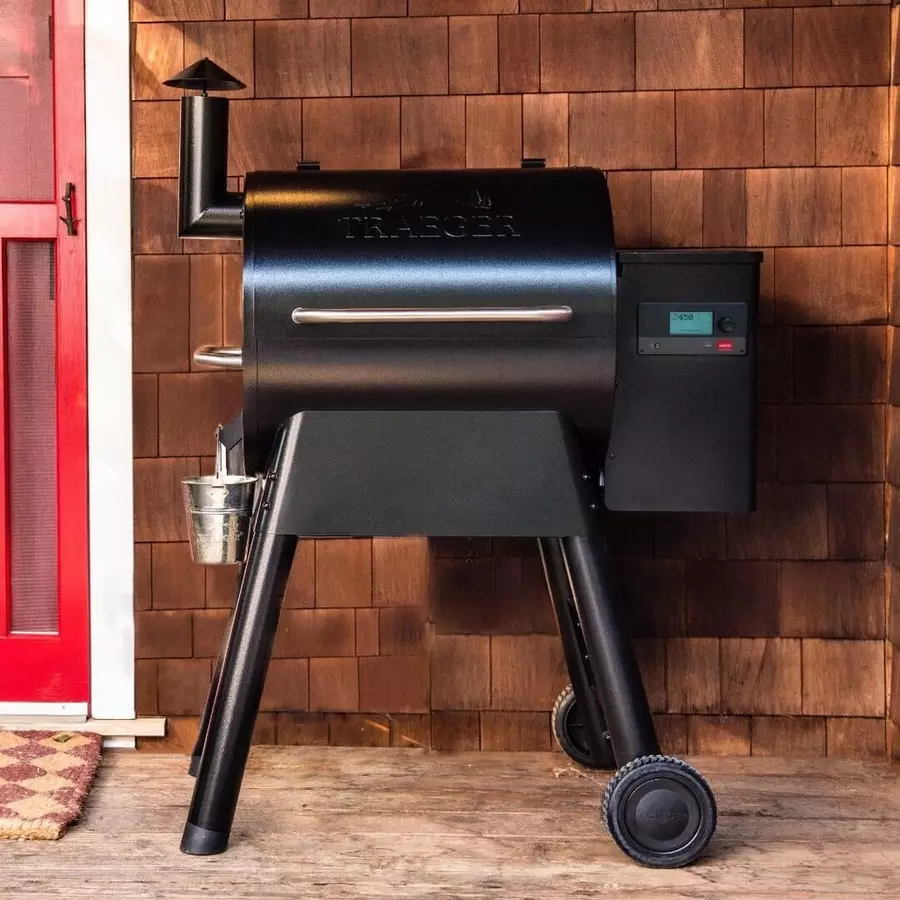
A pellet grill is a wood-fired oven with a thermostat, which is why it is so good at long cooks and so mediocre at a hard sear. The ownership realities (pellet storage, mains power and cleaning cadence) decide whether it suits your setup more than the temperature range does.
Data coverage: 3 of 24 products have a verified live price. Newest price check . Price-state and stale-data rules
Products
24
From
$400
Avg Price
$1,119
Brands
6






Buying Guide
How to choose pellet grills
It needs an electrical outlet
The auger, fan and controller all run on mains power, so a pellet grill is not a tailgating or campsite cooker unless you bring a generator or a power station. It also means a power cut mid-cook stops the grill. This single fact rules pellet out for some patios and is easy to overlook.
Pellets are perishable, and damp pellets jam augers
Wood pellets swell and disintegrate when they absorb moisture, and the resulting sawdust is the most common cause of an auger jam. Store them sealed and off a concrete floor, and empty the hopper if the grill sits unused through a wet season. Hopper capacity tells you how long you can cook unattended.
Controller quality is what you are paying for
A basic controller cycles around the set point with noticeable swing; a PID controller holds it far more tightly. For low-and-slow cooking the difference is real. Wi-Fi is genuinely useful here in a way it is not on most appliances, because these cooks run for eight hours or more.
Searing is the known weakness
Most pellet grills top out below the temperature a gas or charcoal grill reaches, so a steakhouse crust needs the grill run wide open, a dedicated sear zone if the model has one, or a finish in a cast iron pan. Plan for it rather than being surprised by it.
Ash and firepot maintenance
Burning wood leaves ash, and it accumulates in the firepot and barrel. Neglected, it causes temperature swings and failed ignitions. Some models have an ash cleanout that turns this into a minute; others require a shop vacuum and disassembly.
Hopper capacity and controller type are the two specs that most change the day-to-day experience, and neither is the number that gets advertised loudest.
More depth: pellet grills picked by budget and pellet against gas.
Pellet Grills
Frequently Asked Questions
Do pellet grills need electricity?+
Yes. The auger that feeds pellets, the induction fan and the temperature controller all require mains power, so a pellet grill cannot be used away from an outlet without a generator or a portable power station. It also means a power cut will end a cook in progress.
How many pellets does a pellet grill use per hour?+
Roughly half a pound to one pound per hour at smoking temperatures, and two to three pounds per hour running hot. A twenty-pound bag therefore covers a long smoke comfortably but disappears quickly at high heat. Hopper capacity tells you how long the grill can run before it needs topping up.
Can a pellet grill sear a steak?+
Less well than gas or charcoal. Most top out lower than a dedicated searing heat, so the usual approaches are running the grill wide open with the grates as close to the fire as the model allows, using a sear zone if it has one, or reverse-searing and finishing in a hot cast iron pan.