Loading
Category
Microwaves
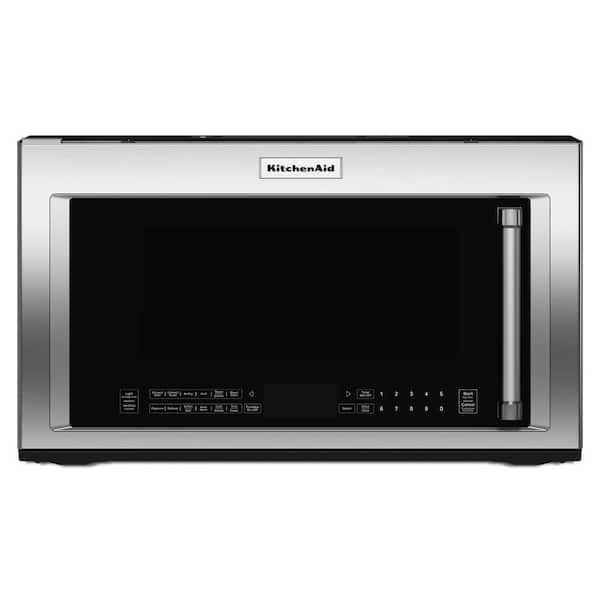
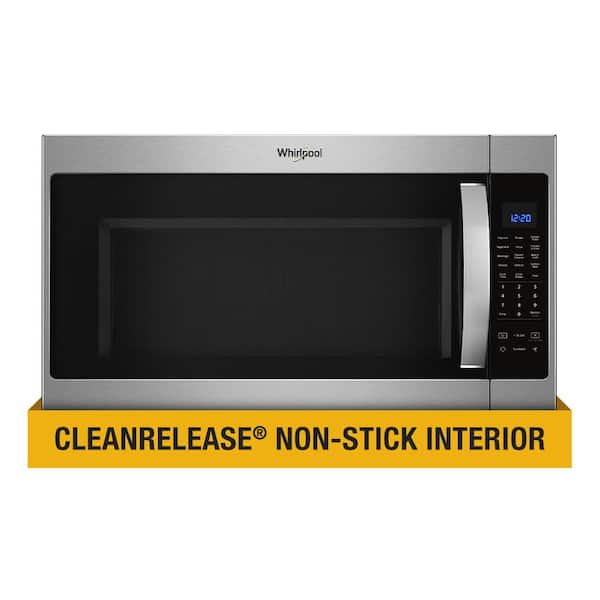
These are over-the-range microwaves, which means they are doing two jobs: heating food and ventilating your cooktop. The second one is where the installation decisions are.
Data coverage: 1 of 6 products have a verified live price. Newest price check . Price-state and stale-data rules
Products
6
From
$329
Avg Price
$542
Brands
6




Buying Guide
How to choose microwaves
Ducted or recirculating
An over-the-range microwave can vent outside through a duct or filter the air and return it to the room. Ducted extraction is considerably more effective, particularly over a gas cooktop, but requires a route through the wall or roof. Most units can be configured either way: the choice is made at installation, and reversing it later means opening the wall.
Duct direction has to match
If you are ducting, the existing run may exit upward through the cabinet or backward through the wall, and the microwave's blower must be set to match. Most models allow this to be changed during installation, but confirm the specific unit supports the direction your kitchen needs before ordering.
Mounting is a two-person job into real structure
An over-the-range microwave hangs from a wall plate anchored into studs and is bolted through the cabinet above. It is heavy and awkward to lift into position. This is the appliance most likely to be worth paying for professional installation, and it is not a solo job.
Width and clearance above the cooktop
Thirty inches is the standard width, matching a standard range. There is also a minimum height above the cooking surface for safety, which the installation manual specifies, and it is worth checking against a tall existing range or a range with a raised backguard.
More depth: when appliances actually go on sale and which brands hold up.
Microwaves
Frequently Asked Questions
Does an over-the-range microwave have to vent outside?+
No. Most can be configured to recirculate, filtering the air through a charcoal filter and returning it to the kitchen. Ducting to the outside removes heat, moisture and odours far more effectively, especially over gas, so duct it if a route exists.
Can I install an over-the-range microwave myself?+
It is possible with two people and some care, since the unit hangs from a wall plate anchored into studs and bolts through the cabinet above. Given the weight, the overhead lift and the ducting configuration, this is the appliance where professional installation most often earns its cost.
How high above the cooktop should a microwave be?+
The installation manual gives a minimum clearance above the cooking surface, and it exists for safety as well as performance. Check it against your range, particularly if the range is tall or has a raised backguard, before assuming a standard cabinet height will work.