Loading
Category
Outdoor Lounge Chairs
Lounge seating covers a wide range (Adirondack chairs, chaises, zero-gravity recliners, rocking chairs and hammocks) and they fail in different ways. The common thread is that comfort claims are subjective while material and capacity claims are not.
Data coverage: 0 of 13 products have a verified live price. Newest price check . Price-state and stale-data rules
Products
13
From
$199
Avg Price
$199
Brands
6


Buying Guide
How to choose outdoor lounge chairs
Weight capacity is a real, checkable number
Unlike "comfortable" or "durable", stated weight capacity is a specific claim the maker is willing to publish. Where a maker states one we record it. Its absence from a listing is itself worth noticing.
Match the chair to the surface
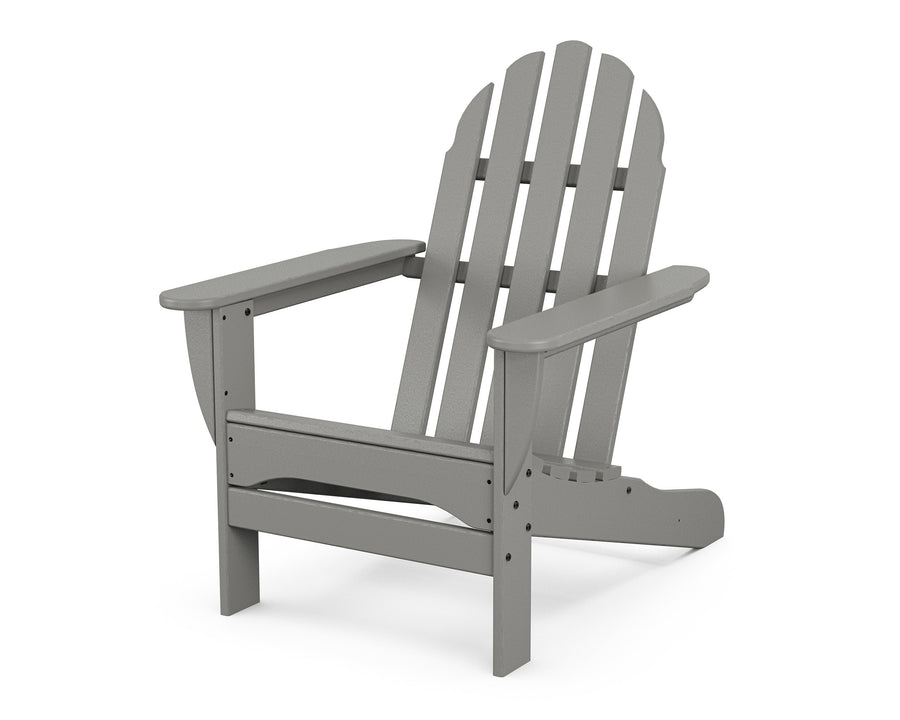
Adirondack chairs and rockers sit low and wide and are stable on grass or gravel. Folding and zero-gravity frames want a flat, firm surface; on soft ground they sink at one corner and the recline stops working properly.
Fabric slings versus cushions
Sling chairs (textilene stretched over a frame) dry almost immediately and store flat, but the fabric is the wear point and is rarely replaceable. Cushioned loungers are more comfortable for longer sitting and let you replace the part that ages first, provided the maker sells covers.
Weight, if you plan to move it
HDPE lounge furniture is close to weatherproof and stays put in wind, but a heavy Adirondack chair is a genuine two-hand job to reposition. Folding aluminium is the opposite trade.
For a chair that lives outside year-round with no cover and no maintenance, HDPE lumber is the most forgiving material in this category.
More depth: how the five common materials fail and what weather ratings actually commit a seller to.
Outdoor Lounge Chairs
Frequently Asked Questions
What is the difference between a chaise and a zero-gravity chair?+
A chaise is a fixed or few-position lounger, usually cushioned, built for sunbathing and reading. A zero-gravity chair reclines into a position that raises the knees to roughly heart level and distributes weight along the whole frame, which many people find easier on the lower back. Zero-gravity frames fold flat; most chaises do not.
Do Adirondack chairs need to be sealed?+
Wooden ones do, annually, if you want them to keep their colour and resist rot. HDPE lumber versions need nothing but soap and water: the colour goes through the material, so scratches do not expose a different shade underneath.
Can lounge chairs be left out in the rain?+
Frames in HDPE or aluminium can, indefinitely. Sling fabric sheds rain and dries quickly. Cushions are the limiting factor: water-resistant covers shed a shower but hold water in the foam through sustained rain, which is how mildew starts.