Loading
Category
Laundry Centers
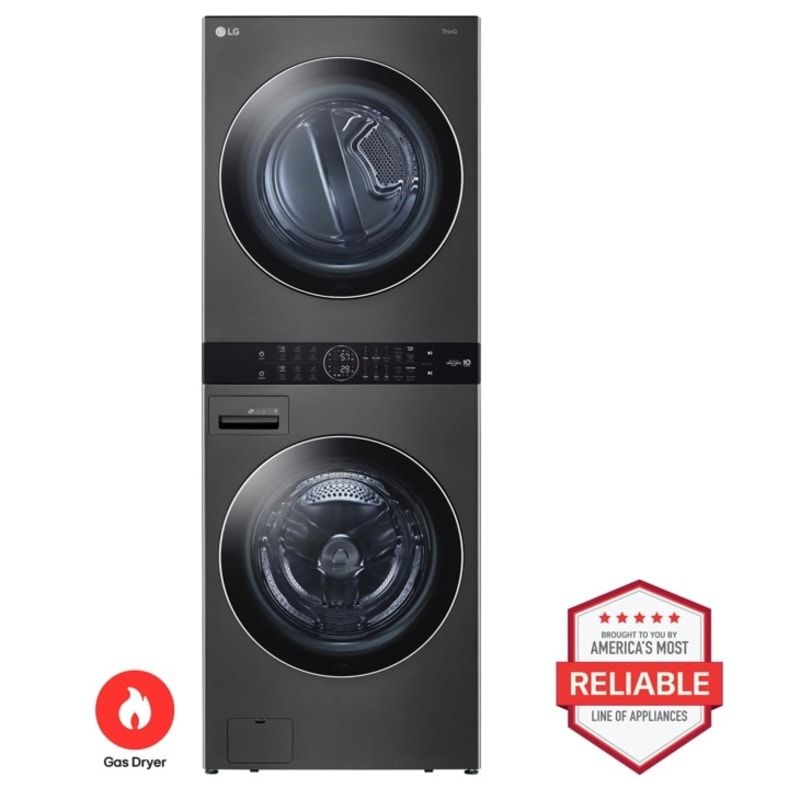
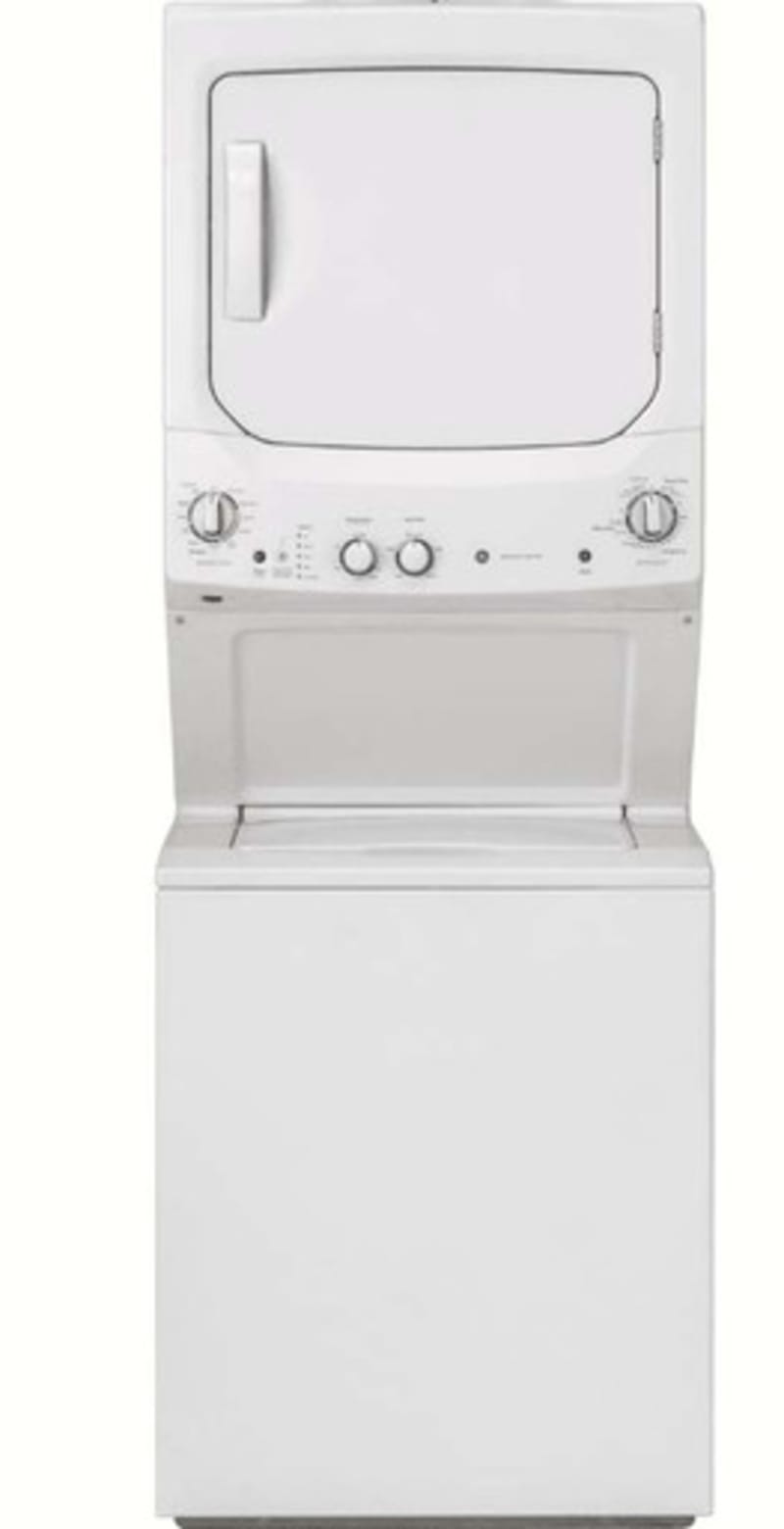
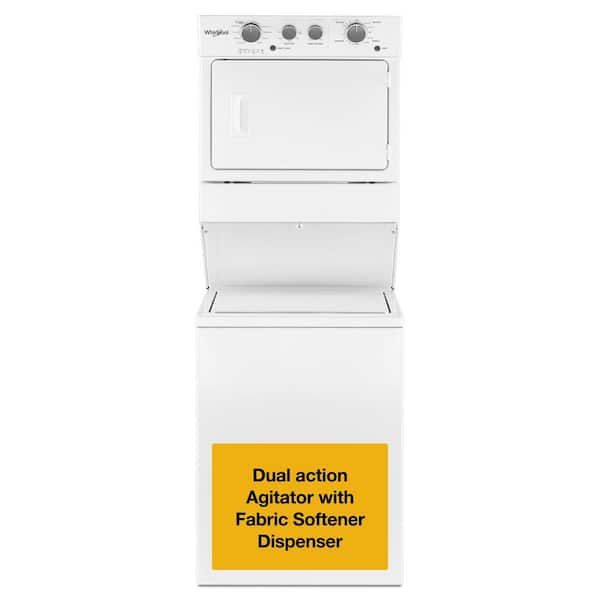
A laundry center is a washer and dryer built as one fixed unit, which is what makes it fit where a separate pair cannot. It also means the two halves live and die together.
Data coverage: 0 of 6 products have a verified live price. Newest price check . Price-state and stale-data rules
Products
6
From
$1,199
Avg Price
$1,799
Brands
4



Buying Guide
How to choose laundry centers
One appliance, not two stacked ones
The washer and dryer share a frame and a single control panel. That is the space advantage, and the risk: if one half fails outside warranty, you are repairing or replacing a single appliance rather than swapping one machine. Weigh that against the footprint it saves.
Height under a shelf or cabinet
These units are tall by design, and laundry closets frequently have a shelf above. Measure the available height including anything mounted overhead, and remember the dryer door needs room to open at the top of the stack.
Closet depth and the door
Depth has to accommodate the unit plus the hoses and duct behind it, which take real space. Then the closet door has to close, and bi-fold doors in particular can foul a protruding control panel. Measure the depth with connections in mind rather than to the back wall.
The same hookups as a full-size pair
A compact footprint does not reduce the requirements: hot and cold supplies, a drain, the correct electrical circuit for the dryer half, and a vent unless the model is ventless. A ventless laundry center is what makes an interior closet workable.
More depth: front-load against top-load and when appliances actually go on sale.
Laundry Centers
Frequently Asked Questions
What is the difference between a laundry center and a stacked washer and dryer?+
A laundry center is manufactured as one unit with a shared frame and a single control panel. A stacked pair is two separate appliances joined by a stacking kit. The center is usually more compact and cheaper, but the pair can be serviced or replaced one machine at a time.
Can I replace just the dryer half of a laundry center?+
Generally not. The two halves share a chassis and controls, so a failure outside warranty usually means repairing or replacing the whole unit. That is the main long-term trade-off against a separate stacked pair.
Will a laundry center fit in a standard closet?+
That is what they are designed for, but measure height including any shelf above, and depth including hoses and ducting behind the unit. Check the closet door can still close, since bi-fold doors in particular can catch on a protruding control panel.