Loading
Category
Kamado Grills
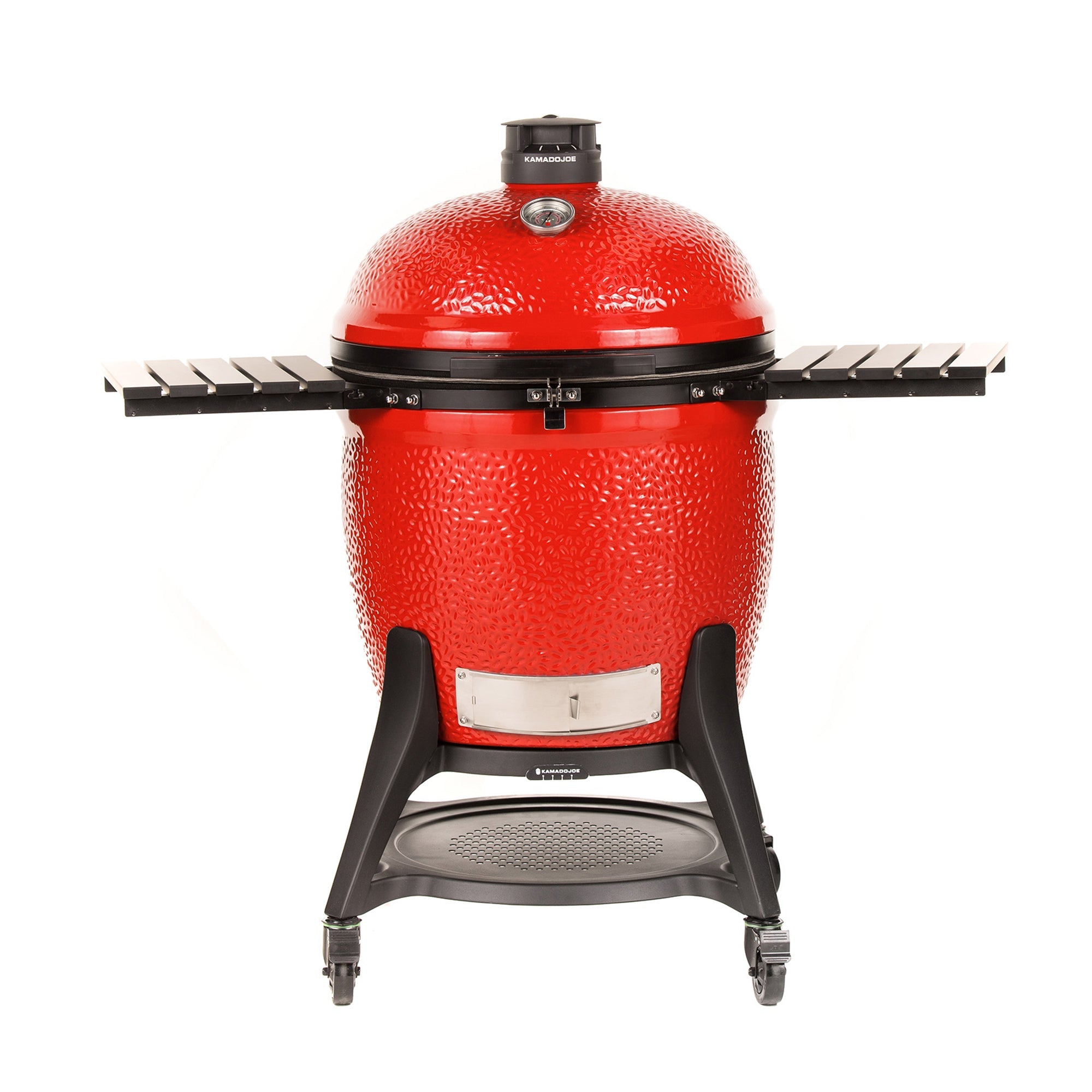
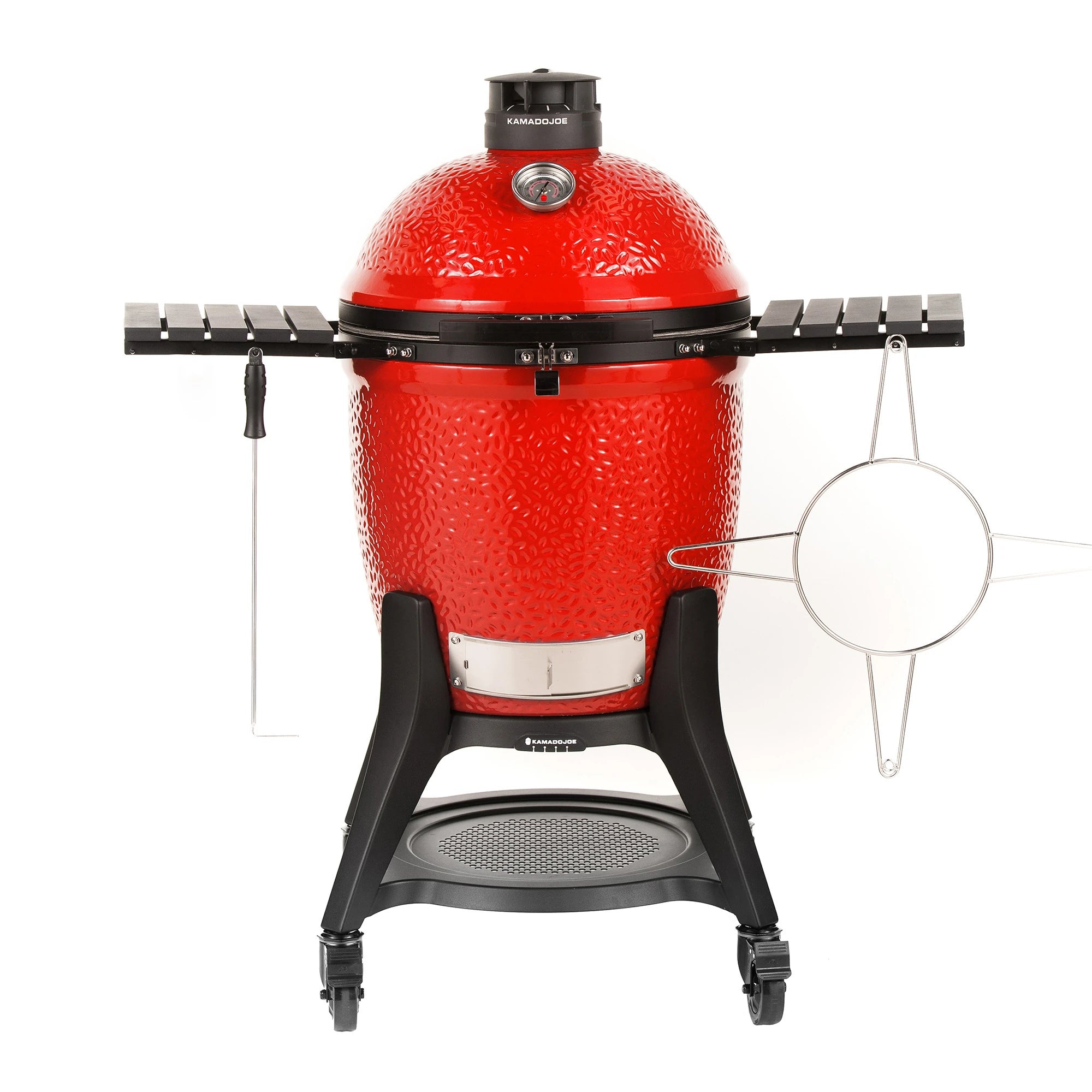
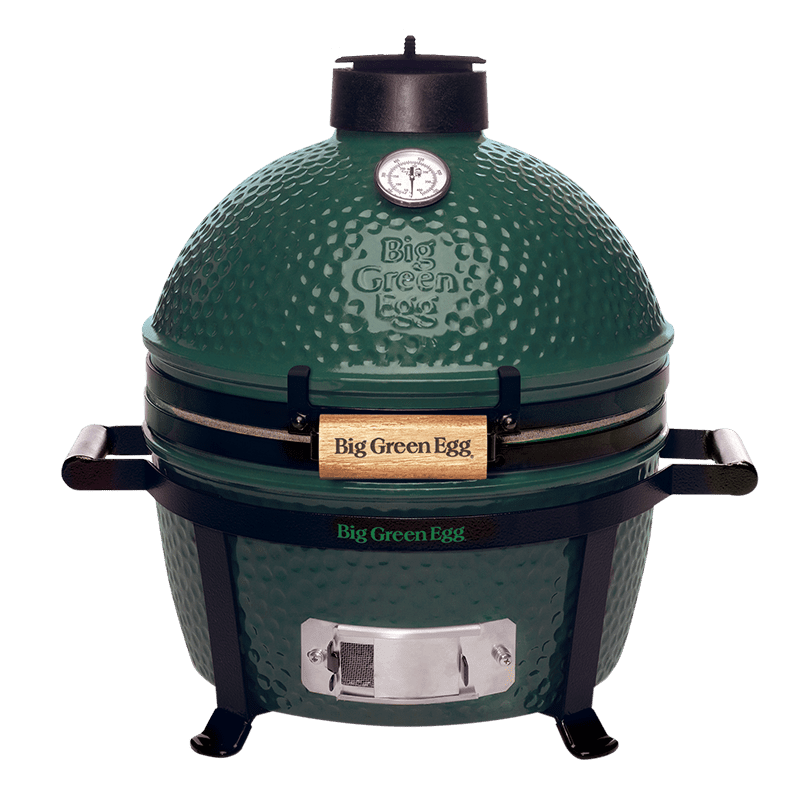
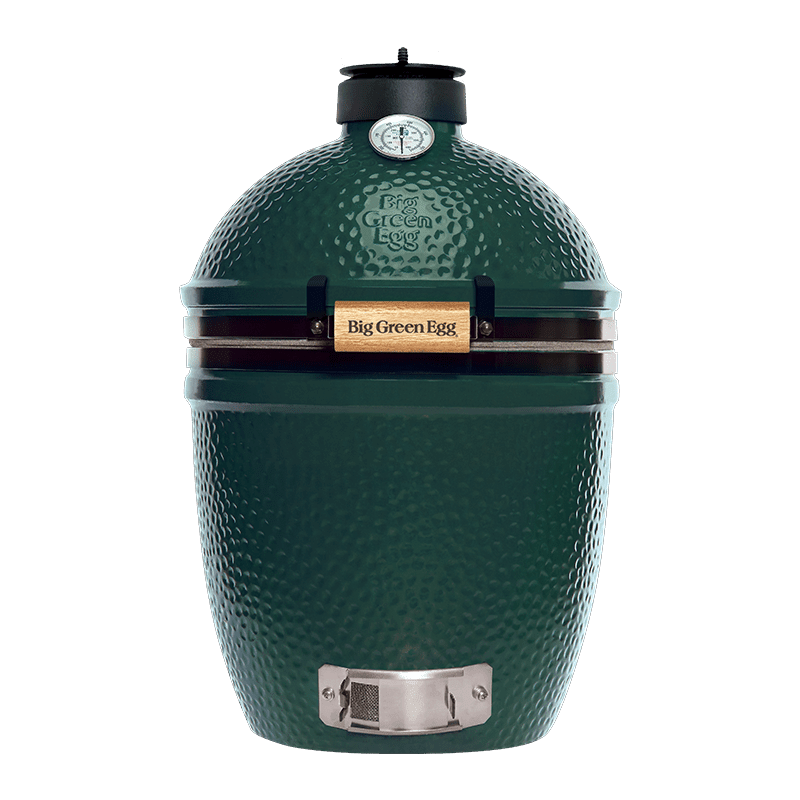
A kamado is a thick ceramic egg, and that mass is the whole product. It makes the grill extraordinarily fuel-efficient and stable, and it also makes it heavy, slow to change temperature, and unforgiving of a few specific mistakes.
Data coverage: 3 of 12 products have a verified live price. Newest price check . Price-state and stale-data rules
Products
12
From
$349
Avg Price
$1,100
Brands
4





Buying Guide
How to choose kamado grills
Thermal mass cuts both ways
Thick ceramic walls hold heat so well that a kamado can run a twelve-hour smoke on a single load of lump charcoal and hold temperature through cold weather. The same mass means that once it is hot, bringing the temperature back down takes a long time: overshoot your target and you wait, so creep up on it.
Learn to burp it
Opening a hot kamado lid quickly can pull a rush of oxygen into a fuel-rich chamber and produce a flashback. The standard practice is to crack the lid a couple of inches, pause, then open fully. This is a genuine safety point specific to this grill type rather than a general caution.
The gasket is the consumable
The felt or fibreglass gasket that seals the lid degrades with heat, especially if you run high-temperature cooks often. A worn gasket leaks air and ruins the temperature control that is the reason to own a kamado. It is a cheap, replaceable part, so just budget for replacing it periodically.
Weight and where it sits
A full-size kamado is genuinely heavy, often well over a hundred pounds before charcoal, and the ceramic is brittle if dropped or knocked. Buy the cart or nest if you ever intend to move it, and place it somewhere you are content to leave it permanently.
A deflector is not optional
Indirect cooking on a kamado needs a heat deflector or plate setter between the fire and the food, otherwise everything at low temperature is cooked directly over coals. Check whether one is included, because it is required for most of what makes a kamado worth owning.
Ceramic can crack if water gets into it and freezes, so in a freeze-thaw climate keep it covered and dry through winter rather than storing it wet.
More depth: charcoal against gas and when grills actually go on sale.
Kamado Grills
Frequently Asked Questions
Why are kamado grills so fuel efficient?+
The thick ceramic walls insulate far better than the thin steel of a standard grill, so much less heat escapes and the fire needs much less oxygen and fuel to hold a target temperature. A single load of lump charcoal can run a very long cook, which is why long smokes are the classic kamado use.
What is burping a kamado and why does it matter?+
It means cracking the lid open a couple of inches, waiting a moment for air to enter gradually, then opening fully. Throwing the lid open on a hot, fuel-rich chamber can cause a sudden flashback as oxygen rushes in. It is the one safety habit specific to this grill type and worth making automatic.
Can a kamado grill be left outside in winter?+
Generally yes, ceramic is not harmed by cold, but keep it covered and dry. The risk is water working into the ceramic or the firebox and then freezing, which can crack it. Emptying ash and closing the vents before a long spell of wet weather is sensible.