Loading
Category
Coffee Grinders
For espresso the grinder matters more than the machine, but which grinder is right depends on what else you brew and how you like to work. Burr specs are only half the decision; the other half is dosing style, noise and where it stands.
Data coverage: 5 of 22 products have a verified live price. Newest price check . Price-state and stale-data rules
Products
22
From
$99.99
Avg Price
$379
Brands
6


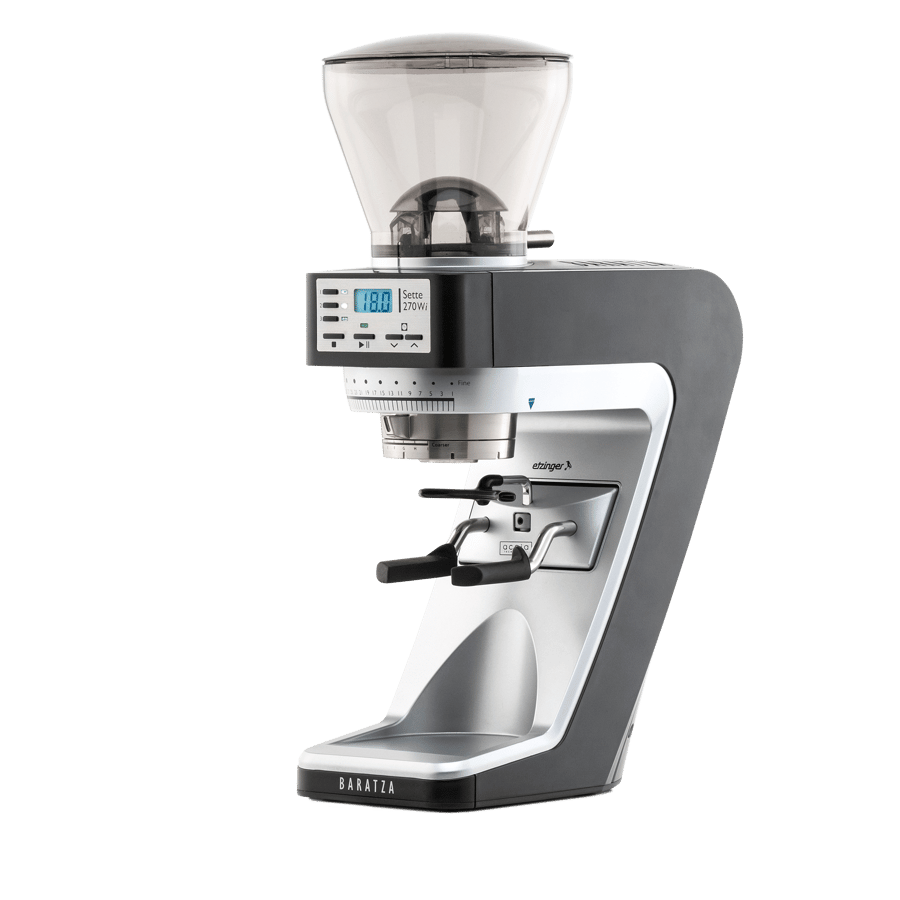
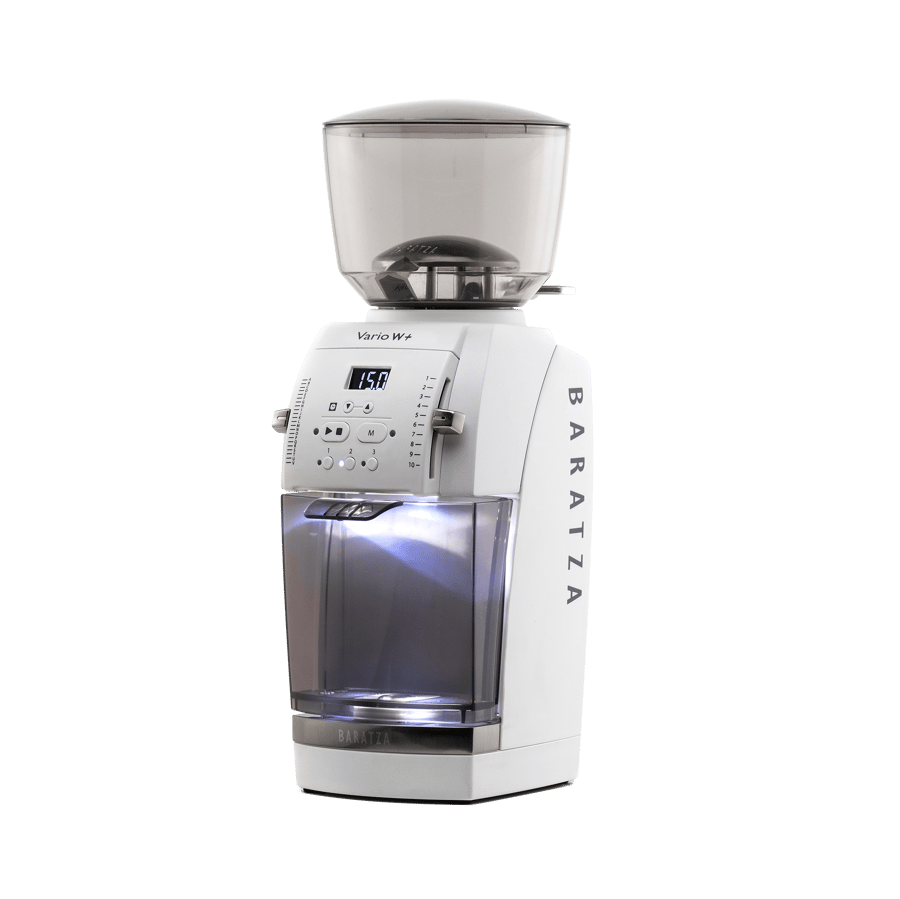

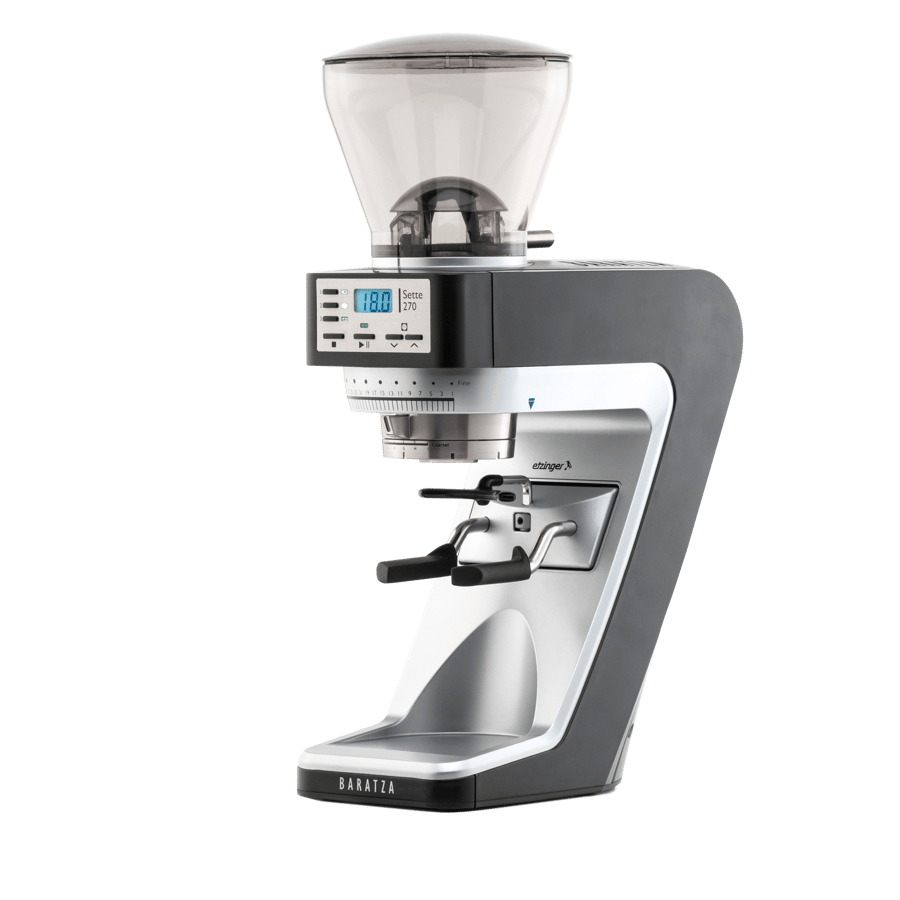
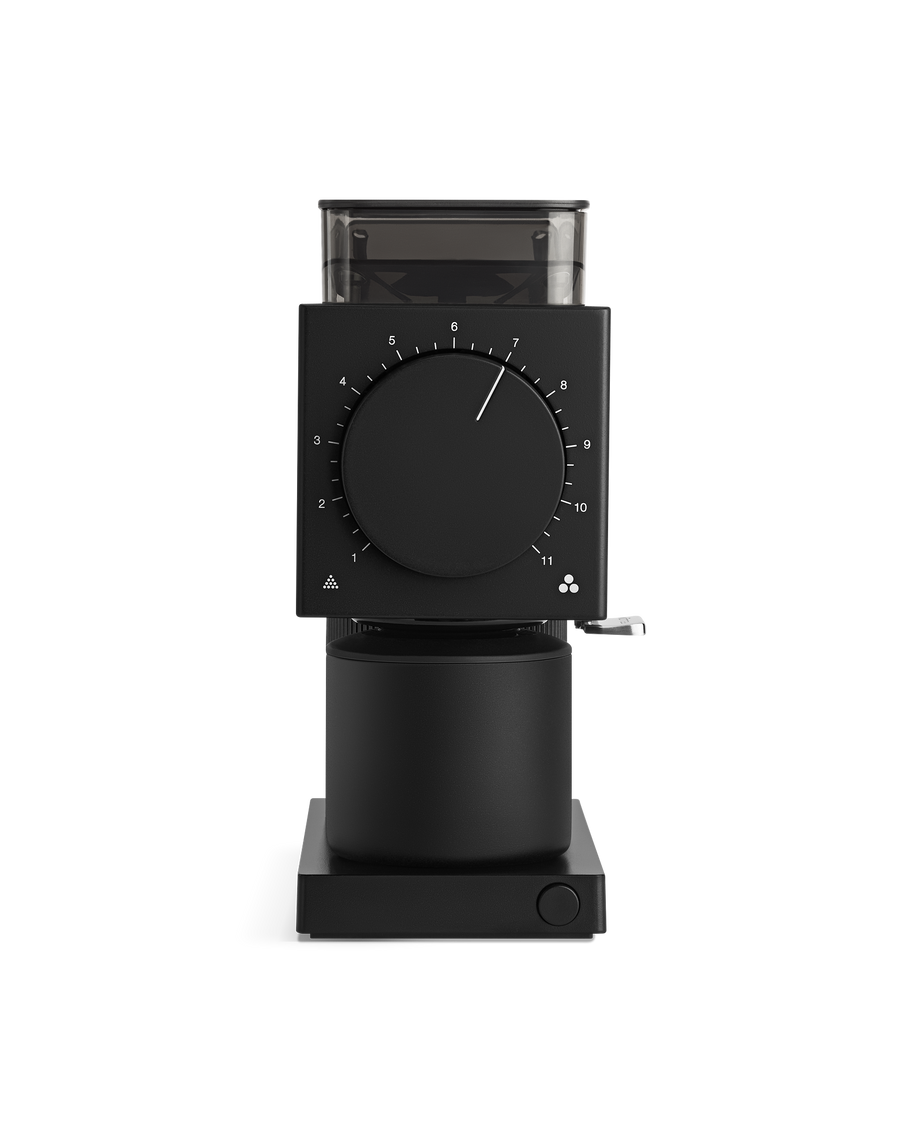


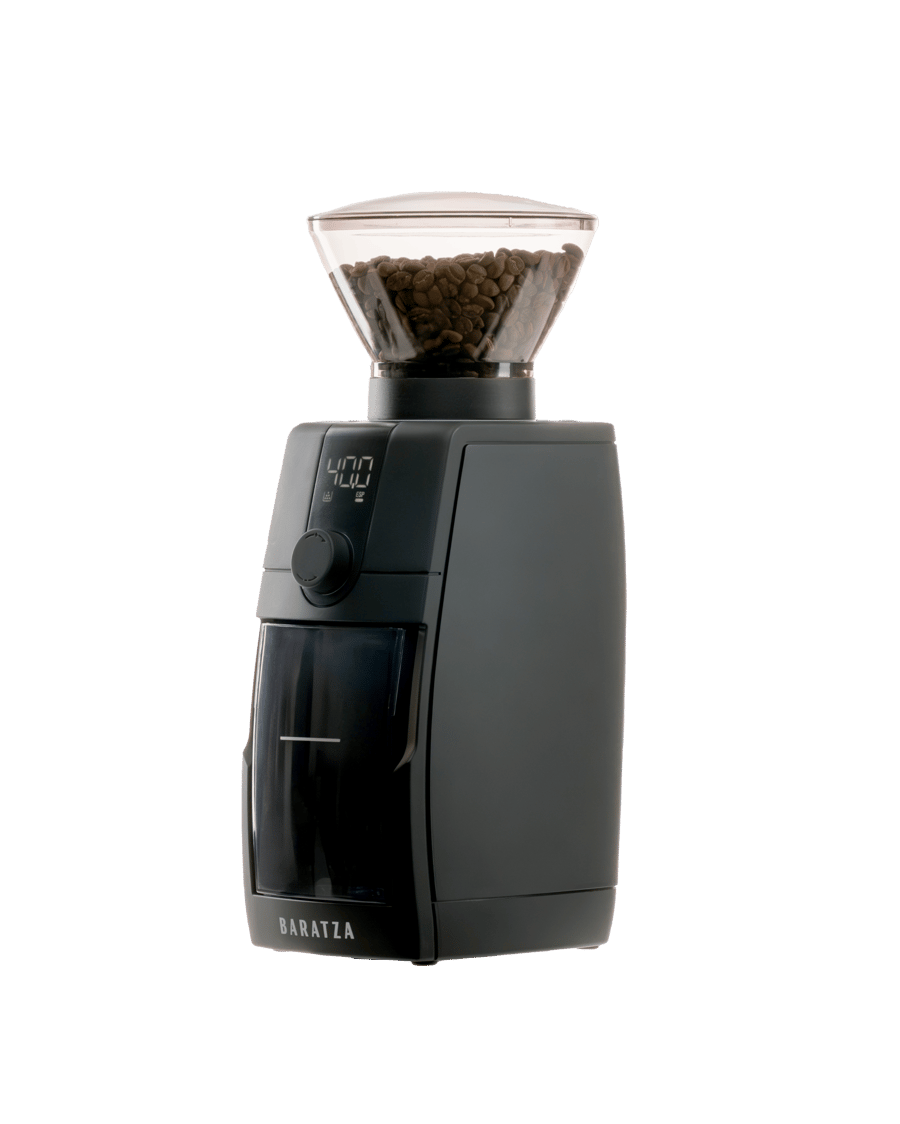
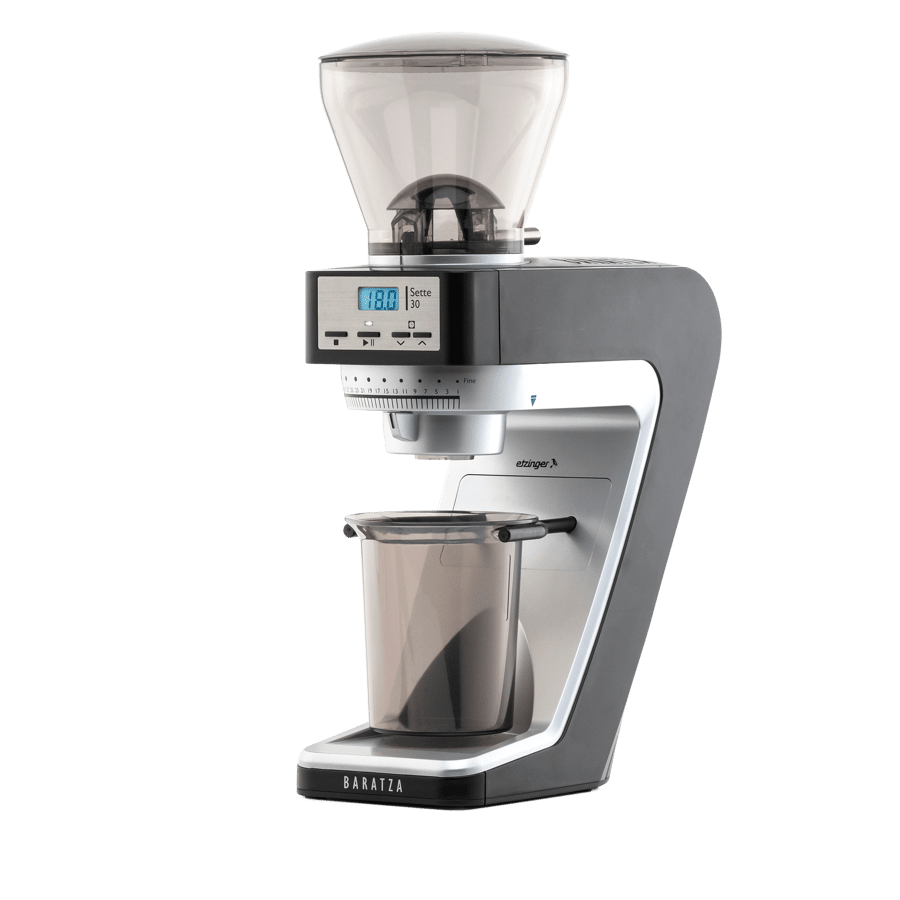


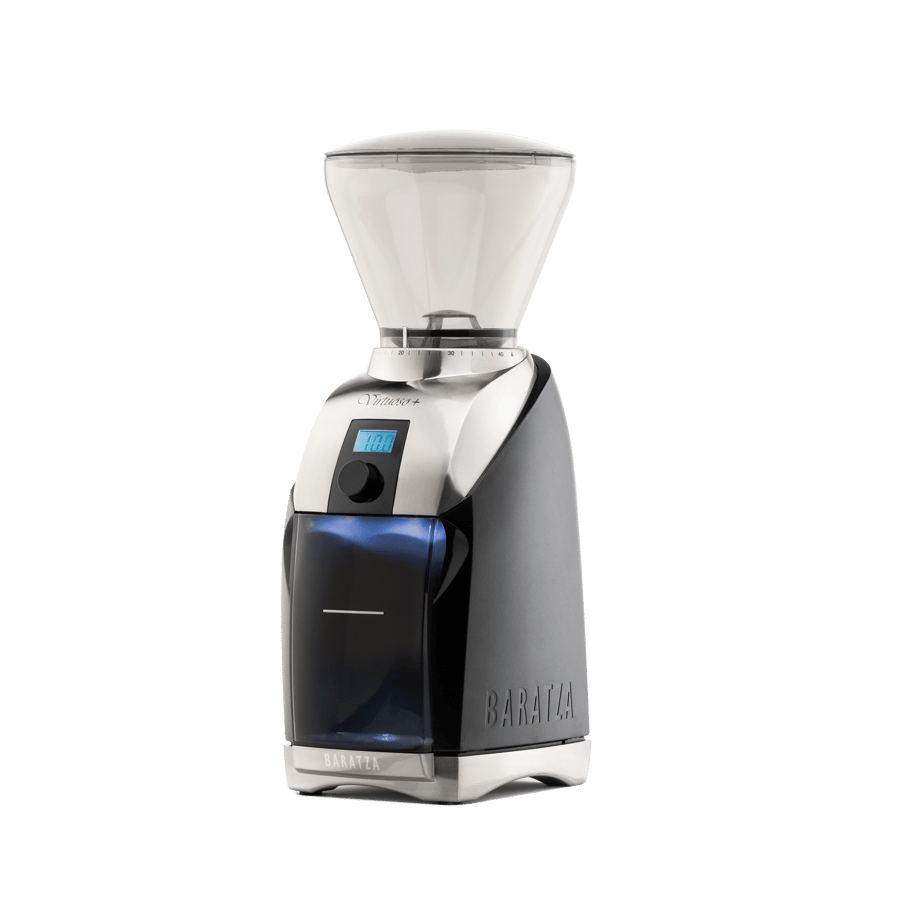
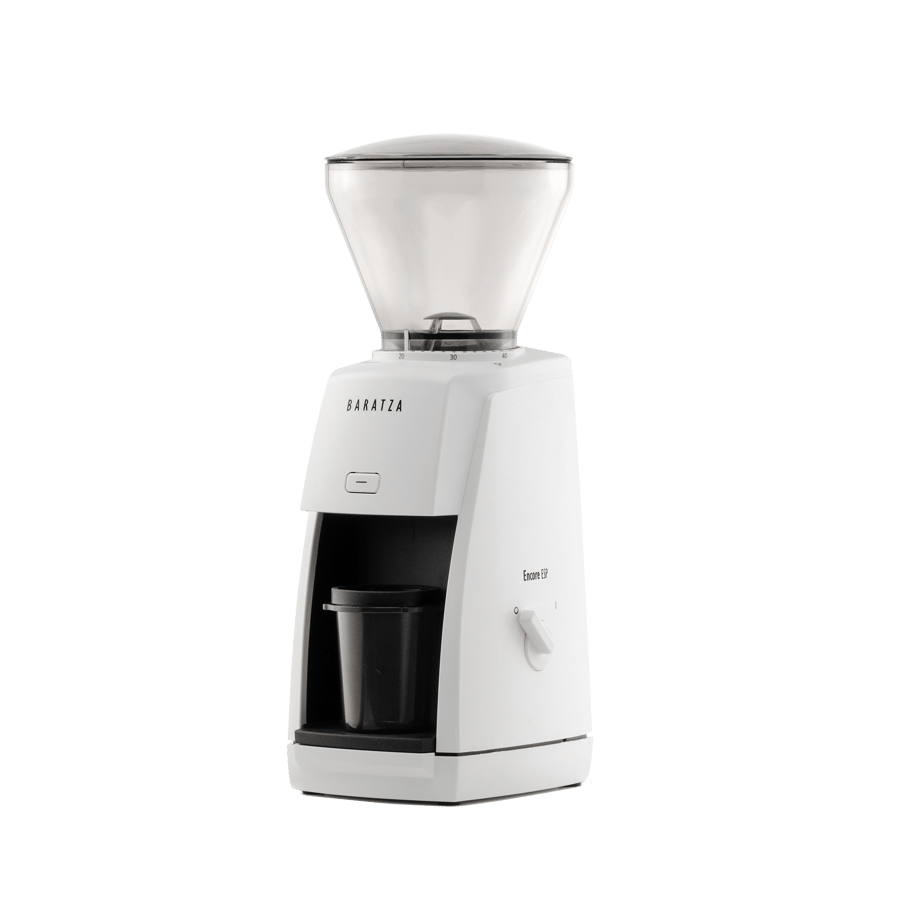
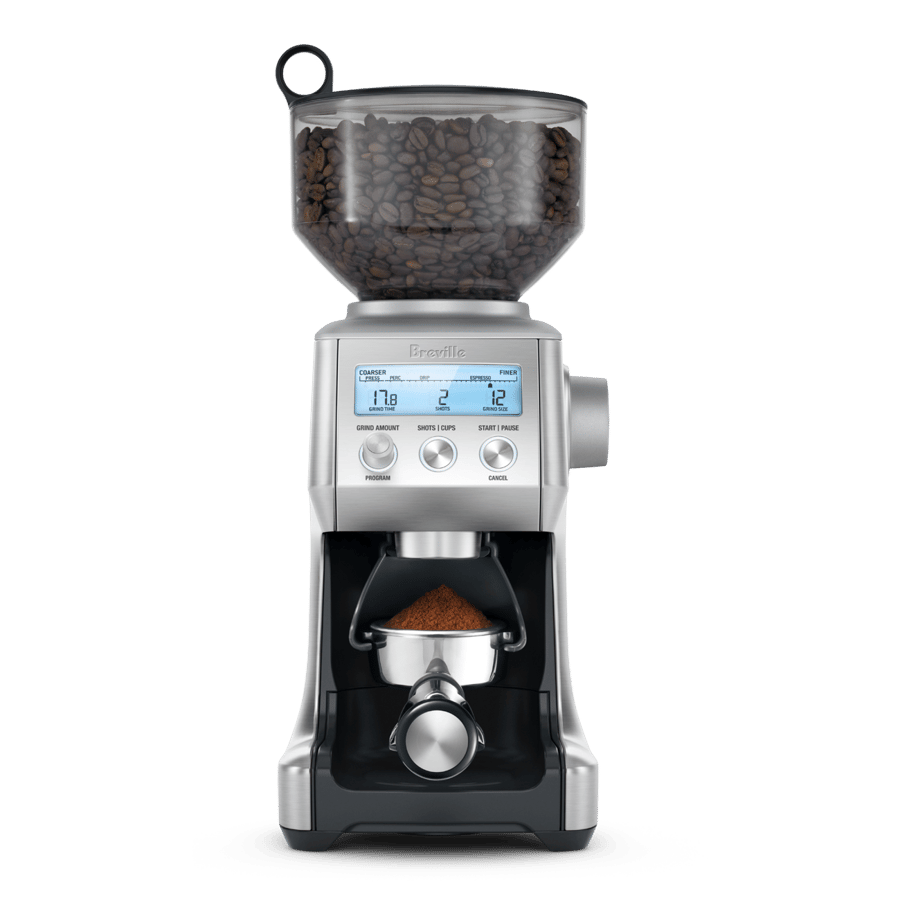

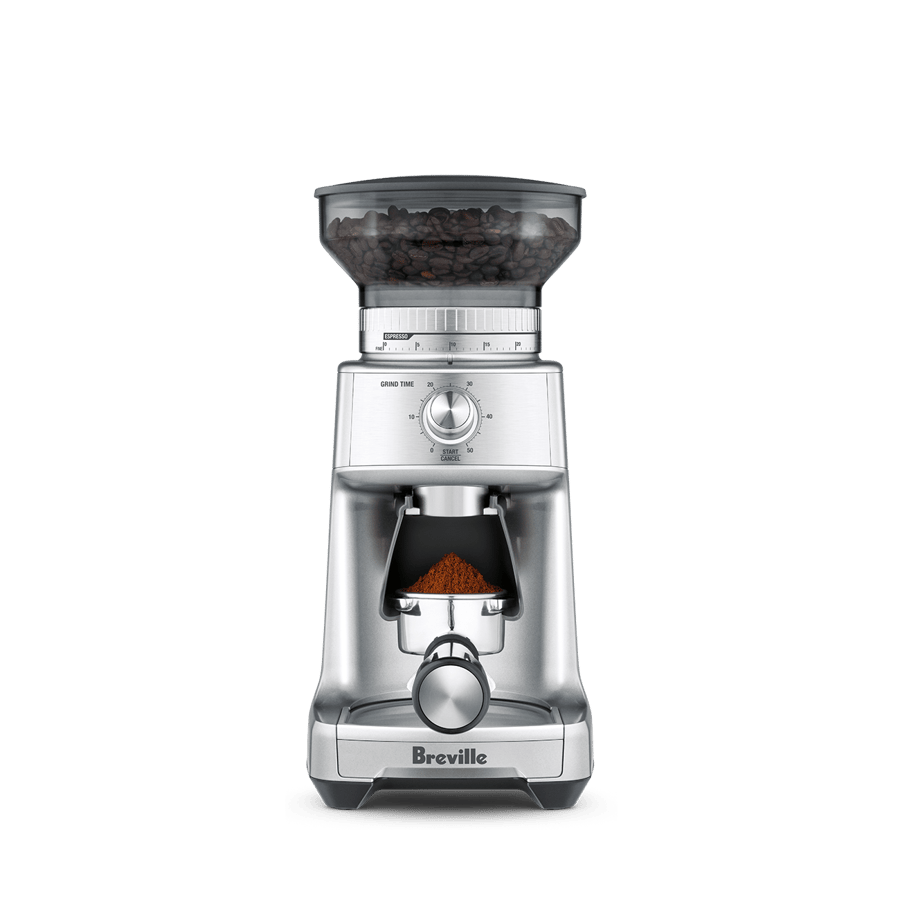


Buying Guide
How to choose coffee grinders
Espresso-only or everything you brew
A grinder tuned tightly for espresso may not open up coarse enough for French press, and an all-purpose grinder may not adjust finely enough at the espresso end. If one grinder has to cover espresso and filter, check that its range genuinely spans both rather than assuming it does.
Single-dosing or a full hopper
A hopper holds beans ready to go and suits a household grinding the same coffee every day. Single-dosing (weighing in exactly what you need each time) keeps beans in a sealed container instead and lets you switch coffees freely, at the cost of a few seconds per shot. Grinders are increasingly built for one style or the other.
Noise and where it lives
Grinders are the loudest thing in most kitchens and the noise varies a lot between models. If yours will run early in a house with other people asleep, that is a real selection criterion. Height matters too: many grinders need clearance to lift the hopper lid, which rules out some under-cabinet spots.
Match the grinder to the machine, not just the budget
Where we have curated a genuine pairing, a grinder page lists the machines it suits and a machine page lists the grinders that fit it. That accounts for practical fit (dose size, portafilter clearance and whether the grinder can hold an espresso-fine setting) rather than price tier alone.
A hand grinder is a legitimate way to spend a grinder budget rather than a compromise: you pay for burrs and bearings instead of a motor and housing, and the cost is about a minute of cranking per double shot.
More depth: which machine type fits how you actually drink coffee and how to read a grinder spec sheet.
Coffee Grinders
Frequently Asked Questions
Can I use a regular coffee grinder for espresso?+
Usually not. Blade grinders cannot produce an even grind at all, and many burr grinders aimed at drip coffee do not adjust fine enough, or their steps are too coarse in the espresso range to land on a good shot. Look for a grinder that is stepless or has steps concentrated at the fine end.
Does a more expensive grinder actually make better espresso?+
Up to a point, and the mechanism is mostly burr size and build. Larger burrs grind a dose in fewer turns with less heat and a tighter particle spread, which shows in the cup. Past the mid range you are increasingly paying for workflow (dosing by weight, low retention, quieter motors) rather than for a better shot.
What is single-dosing and do I need it?+
Single-dosing means weighing in exactly the beans for the drink you are about to make instead of keeping a full hopper. It keeps beans fresher in sealed storage and makes switching coffees trivial, which matters if you buy small bags or rotate roasters. If you drink the same coffee daily, a hopper is simpler.