Loading
Category
Griddles
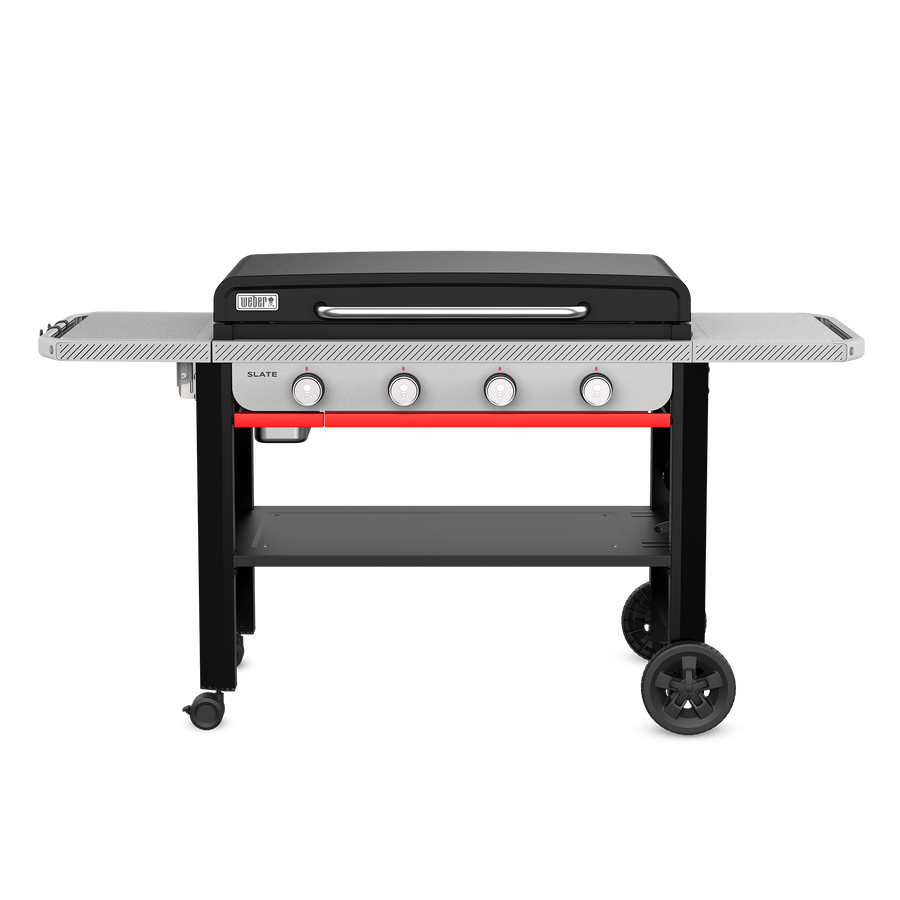
A flat top does things grates cannot (eggs, smash burgers, onions, anything small enough to fall through) and asks for one thing in return: it must be seasoned and kept dry, or it rusts.
Data coverage: 6 of 12 products have a verified live price. Newest price check . Price-state and stale-data rules
Products
12
From
$189.99
Avg Price
$474
Brands
4


Buying Guide
How to choose griddles
Seasoning is the whole maintenance story
A griddle surface is bare carbon steel protected only by a baked-on layer of polymerised oil. That layer is what stops rust and makes the surface non-stick, and it builds up over time with use. Strip it with harsh detergent or leave the griddle wet and you start again. A cover is not optional equipment on a griddle.
Grease management
Griddles produce far more runoff than grates, and where it goes is a real design difference. Rear-drain and front-drain layouts each have advocates; what matters is that the channel actually carries grease to a catch cup you can reach and empty, rather than pooling at one corner.
Independent burner zones
The point of a large griddle is cooking several things at different temperatures at once: eggs gently at one end, a hard sear at the other. That only works if the burners are separately controlled, so count the independently adjustable zones rather than the total burner count.
Surface thickness
A thicker cooktop holds heat through a batch of cold food and recovers faster between rounds, which is exactly what you want for smash burgers. Thinner plates heat up quicker and develop hot spots. Thickness is rarely advertised prominently and matters more than the BTU figure.
If the griddle lives outdoors uncovered, plan on re-seasoning it seasonally; if it lives under a cover, seasoning becomes an occasional touch-up rather than a chore.
More depth: gas grills picked by budget and when grills actually go on sale.
Griddles
Frequently Asked Questions
How do you season a new griddle?+
Wash off the shipping coating, dry it completely, then heat the plate and wipe on a very thin layer of high smoke point oil, letting each layer smoke off before adding the next. Several thin layers build a hard, dark, non-stick surface. Thick layers stay tacky and peel, so thin is the important part.
Can a griddle replace a regular grill?+
For some cooking, comfortably: it is better than grates for breakfast, smash burgers, fried rice and anything small. It cannot give you grill marks, the char that comes from flame contact, or true indirect cooking for large cuts, so many people keep both rather than swapping.
Will an outdoor griddle rust?+
Only if the seasoning is damaged or the plate is stored wet. Bare carbon steel rusts readily, which is why the baked-on oil layer matters and why a cover is essential outdoors. Surface rust can be scoured off and the plate re-seasoned, so it is recoverable rather than fatal.