Loading
Category
Gas Grills
A gas grill is the one most people cook on twice a week, so it is worth choosing on the parts that wear out and the fuel decision you are stuck with. Burner material, grate material and how the thing is plumbed matter more over five years than the headline BTU figure.
Data coverage: 2 of 35 products have a verified live price. Newest price check . Price-state and stale-data rules
Products
35
From
$279
Avg Price
$1,158
Brands
6





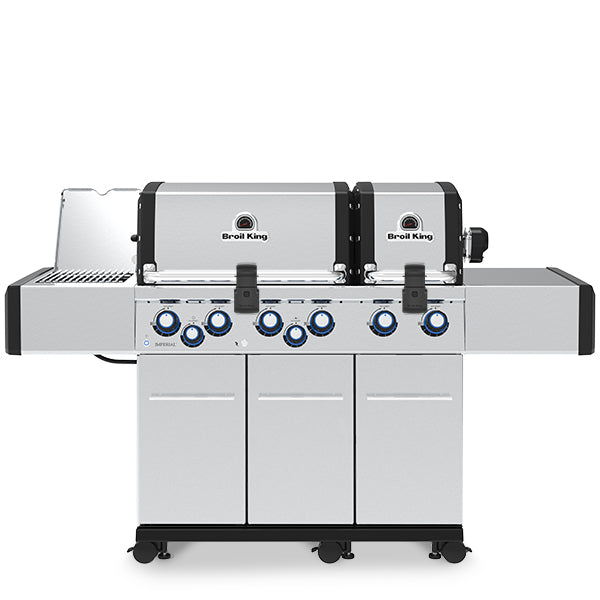
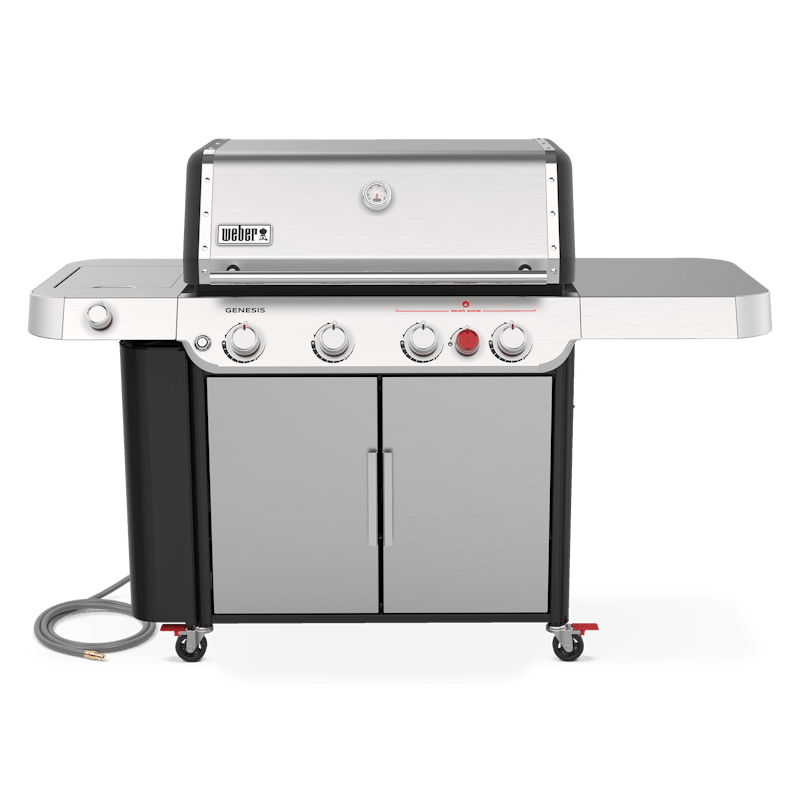




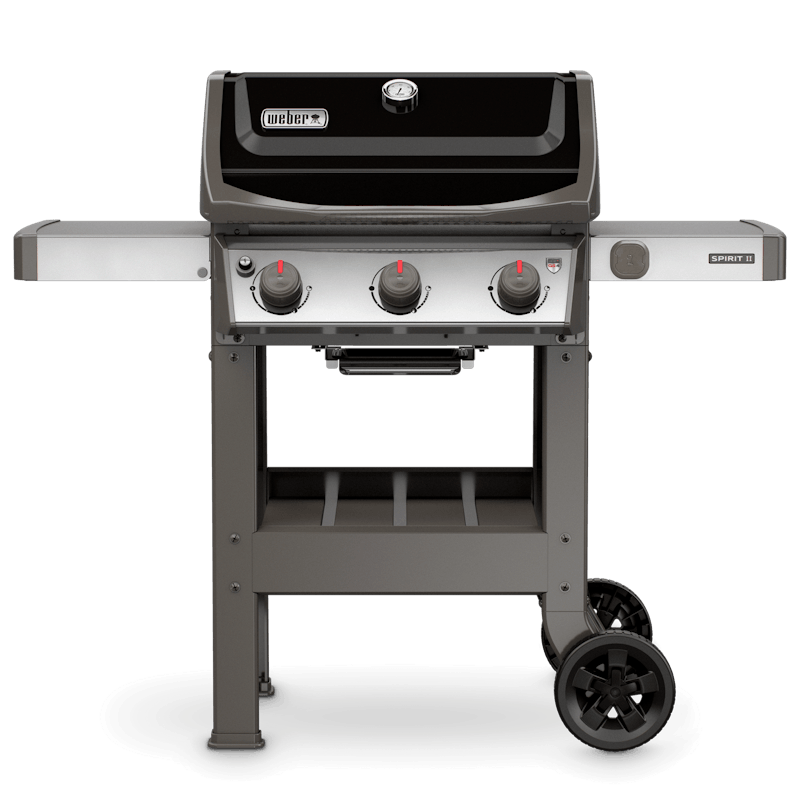




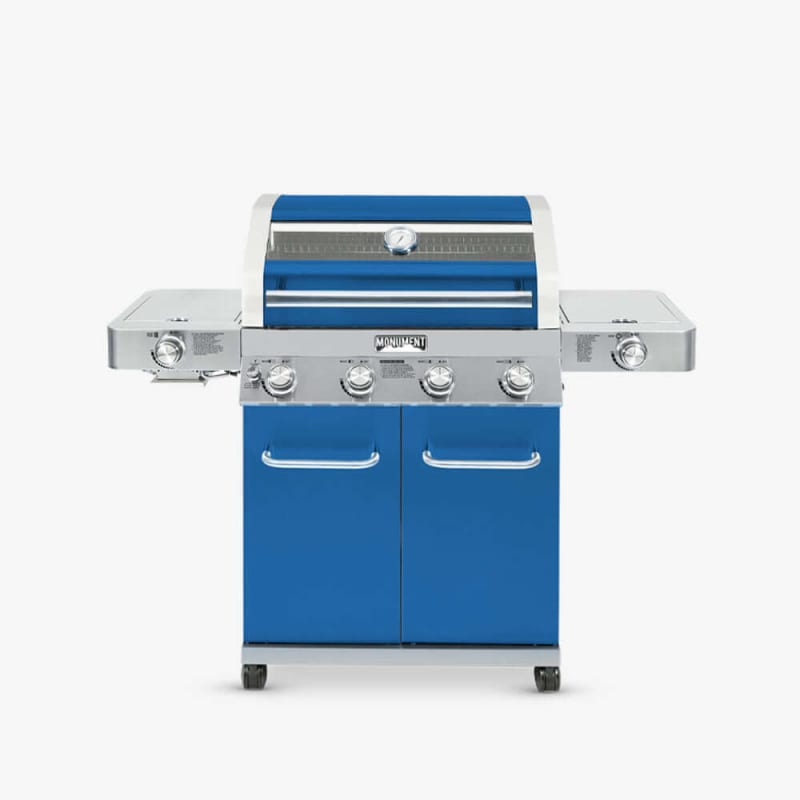


Buying Guide
How to choose gas grills
Propane tank or a natural gas line
Propane goes anywhere and runs out mid-cook; natural gas never runs out but ties the grill to a plumbed line and a fixed spot on the patio. Grills are built for one or the other, and while some models offer a conversion kit, it is not a casual swap. Decide before you buy, because it is the one thing you cannot change later without a plumber.
Burners are the part that fails first
Burner tubes corrode from the inside out, and they are the most common warranty claim on a gas grill. Stainless steel burners outlast aluminised steel, and the warranty term on burners specifically, not the grill as a whole, tells you what the maker actually expects.
Grate material changes how you cook
Porcelain-coated cast iron holds heat hardest and gives the best sear marks, but chips if you scrape it aggressively and rusts wherever the coating breaks. Stainless rods heat faster, are far more forgiving to clean, and sear slightly less dramatically. Neither is wrong; cast iron rewards care and stainless tolerates neglect.
Ignition, and what happens when it fails
Battery push-button igniters are cheap and eventually stop working. Piezo and continuous-spark systems are more durable. Every gas grill can be lit with a match through the side port, so a failed igniter is an annoyance rather than the end of the grill, but check that the port exists.
Side burners and sear stations
A side burner is genuinely useful for sauces and sides, and genuinely wasted if you never use it. An infrared sear station reaches temperatures the main burners cannot and is the real answer to steakhouse crust. Both add width, which matters on a small deck.
If the grill will live on a deck, check the wheels and the total width with the side shelves up: the footprint on the spec sheet is usually the shelves-down number.
More depth: gas grills picked by budget and pellet against gas.
Gas Grills
Frequently Asked Questions
How many BTUs does a gas grill actually need?+
BTU alone tells you fuel consumption, not cooking performance: a poorly insulated grill can burn more gas to reach a lower temperature. The more useful figure is BTU per square inch of primary cooking area, where roughly 75 to 100 is a well-matched grill. A high BTU number on a huge cooking surface can be weaker than a modest one on a compact grill.
Can I convert a propane grill to natural gas?+
Only if the manufacturer sells a conversion kit for that specific model, and often only by an authorised installer, since the orifices and regulator are sized differently for each fuel. Doing it with generic parts is a genuine safety hazard and voids the warranty. Treat the fuel type as a permanent decision at purchase.
How long should a gas grill last?+
A well-built one lasts a decade or more, with burners and grates replaced along the way as consumables. The cabinet and firebox usually outlive both. Covering the grill and cleaning grease out of the drip system does more for its lifespan than the price paid for it.