Loading
Category
Espresso Machines
Semi-automatic machines give you a portafilter and a say in the shot. Which one suits you is decided less by the brewing spec sheet than by where it will stand, how you will fill it, and what it commits you to buying afterwards.
Data coverage: 1 of 18 products have a verified live price. Newest price check . Price-state and stale-data rules
Products
18
From
$299.95
Avg Price
$1,210
Brands
6
#1 TOP RATED
Espresso MachineEspresso Machines
Ascaso
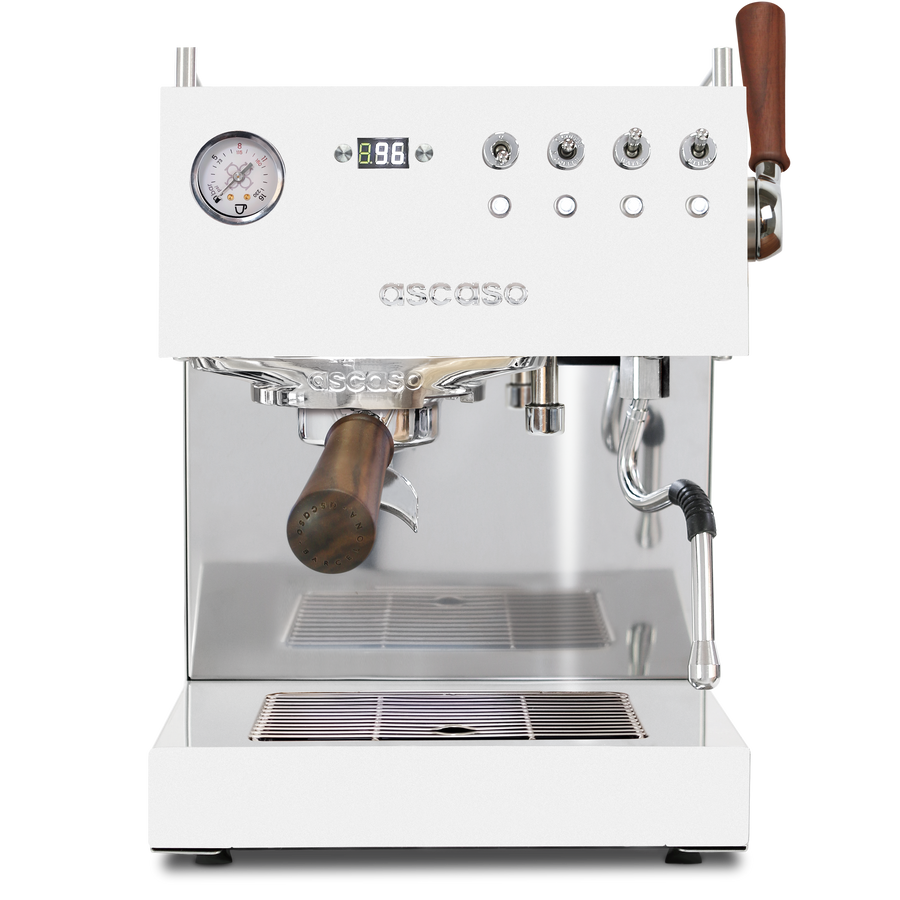
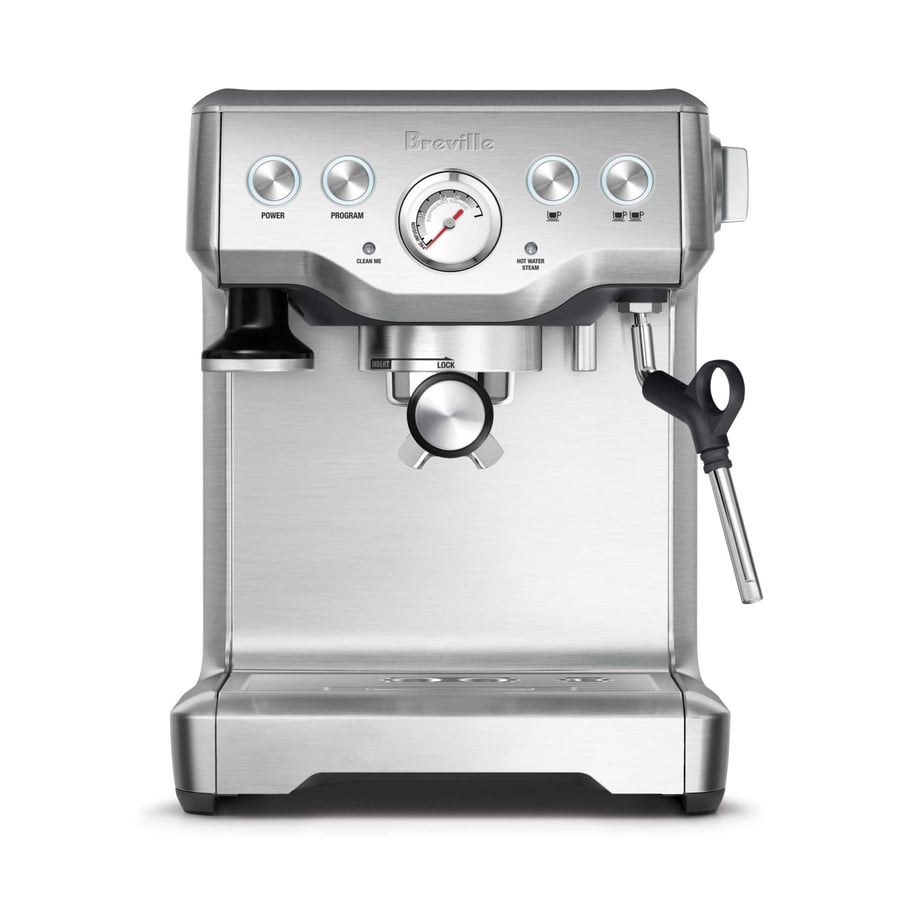
Ascaso Steel DUO PLUS
$2,415MSRP baseline
Compare prices →

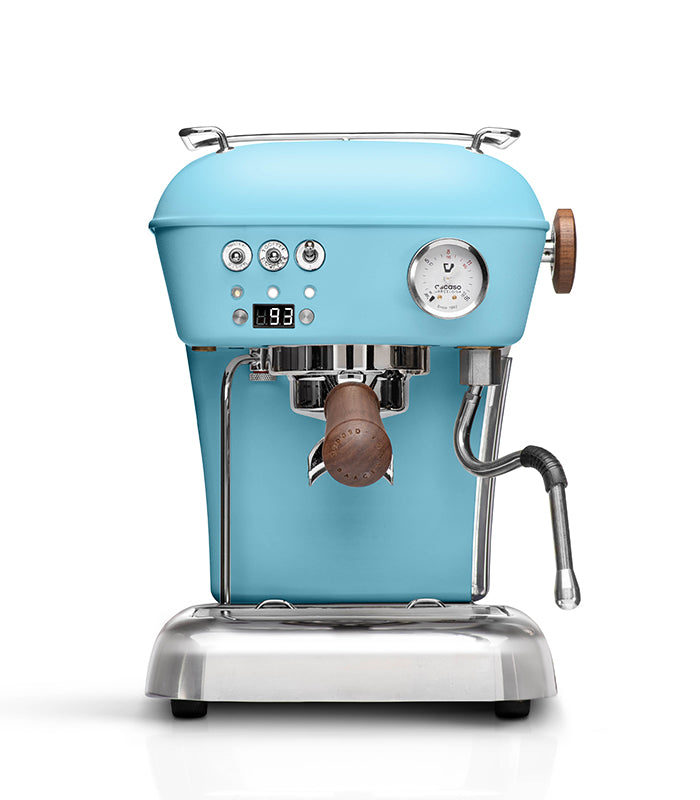

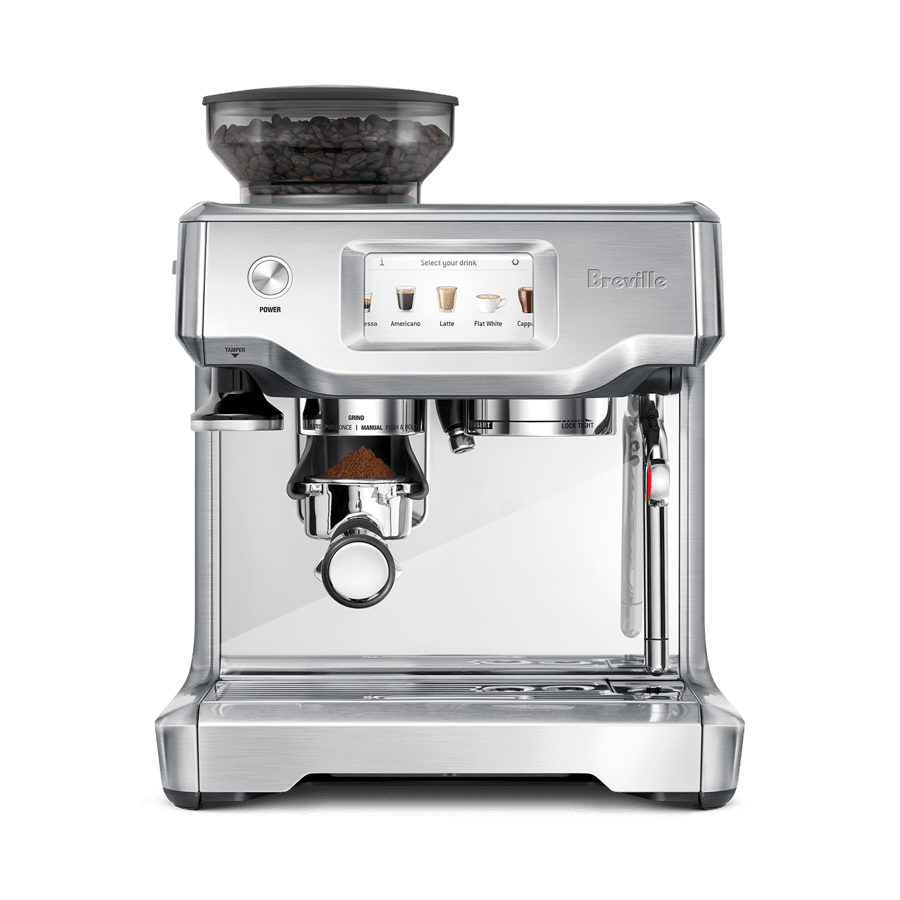
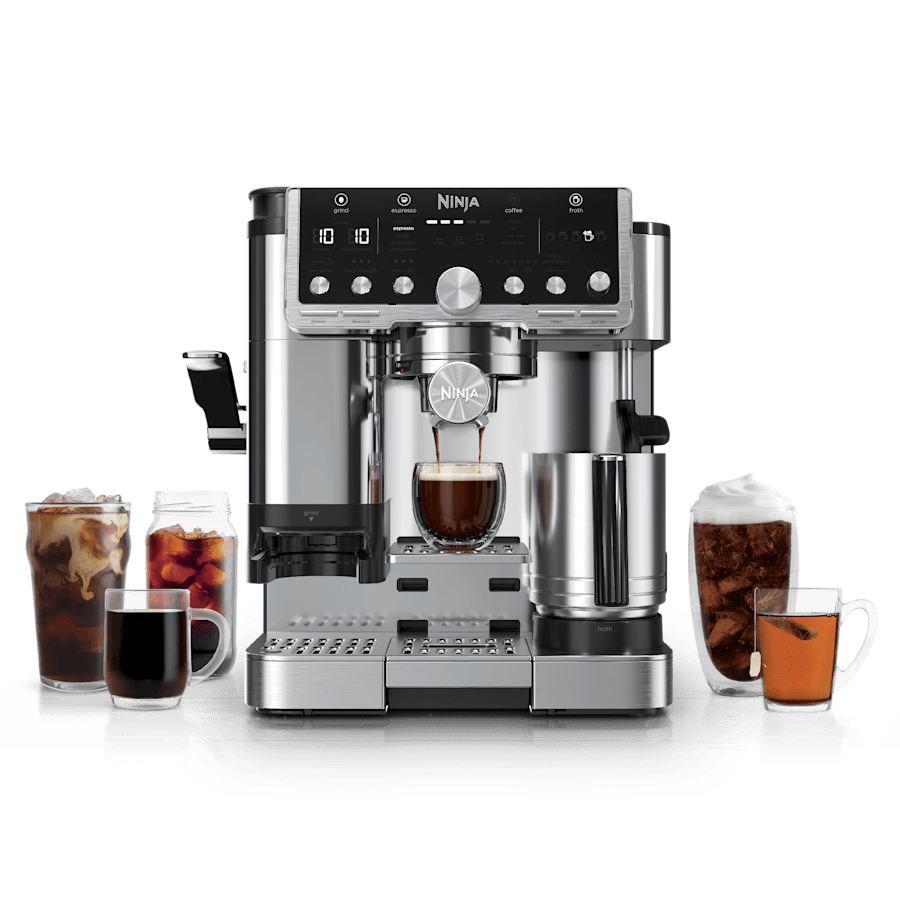
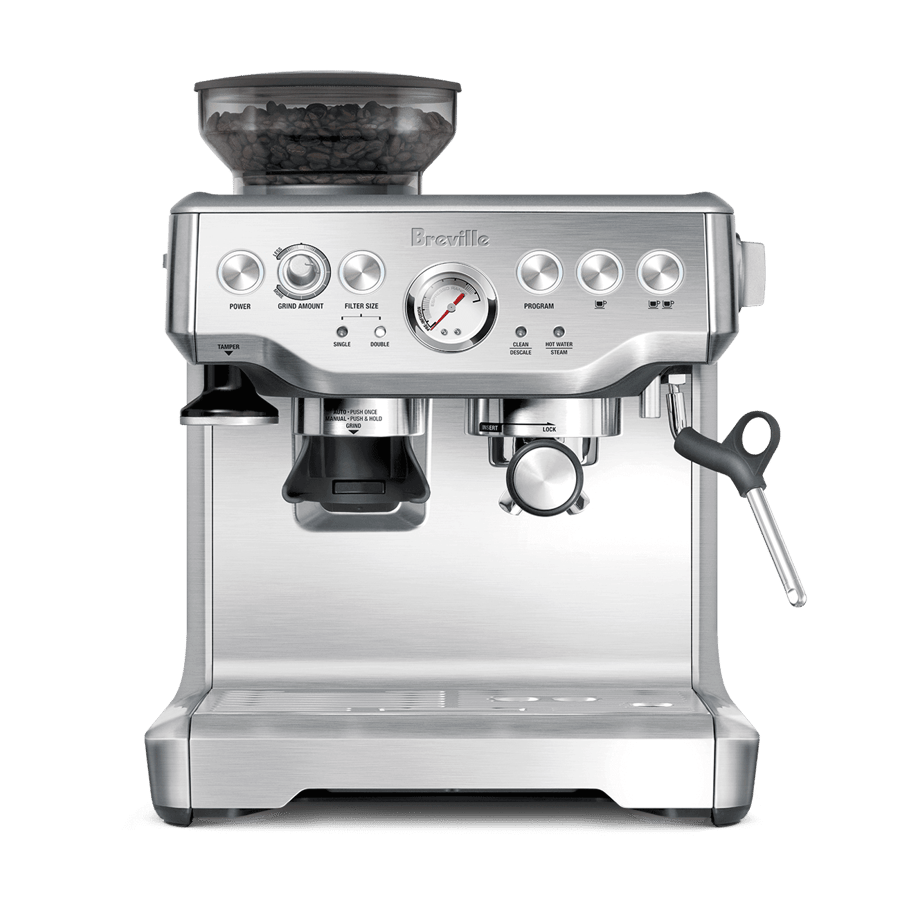

Espresso MachineEspresso Machines
Gaggia
Gaggia Classic E24 RI9380/46
$549MSRP baseline
Compare prices →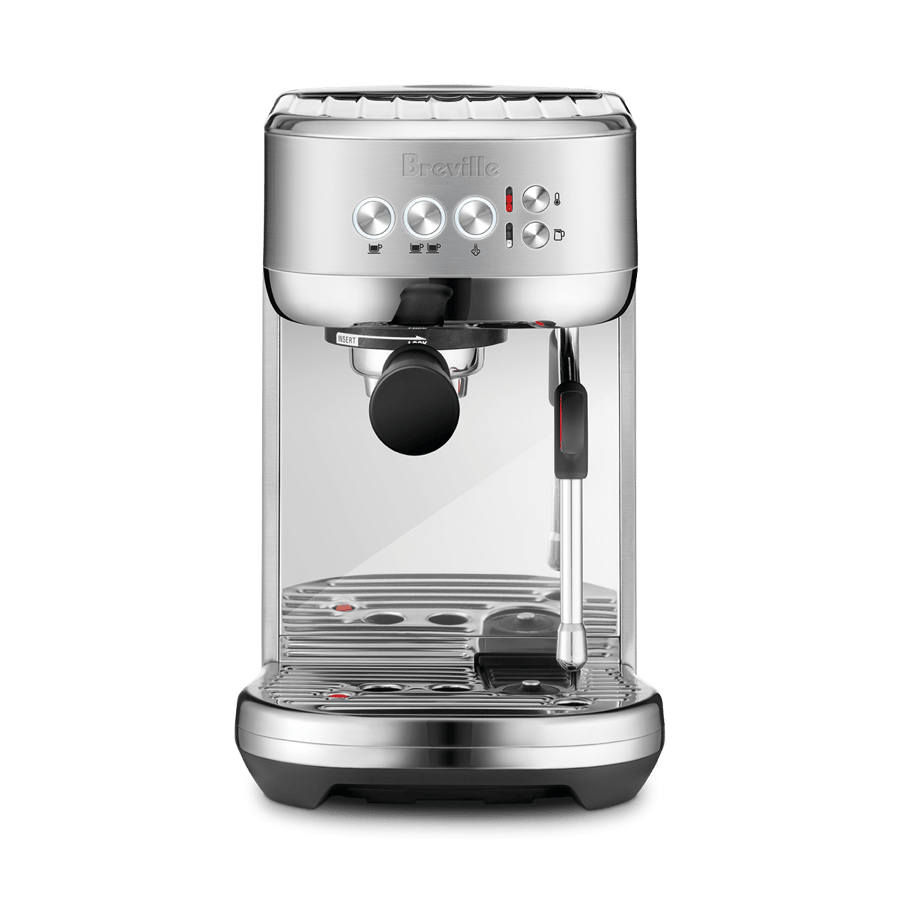

Buying Guide
How to choose espresso machines
Measure the cabinet, not just the counter
Height is the dimension people get wrong. A machine that fits the countertop can still be unusable under a wall cabinet once you need to lift the lid to fill the tank or swing the hopper open. Check the stated height, then check what clearance the machine needs above it.
How the water tank comes out
You will refill it several times a week for years, so it matters whether the tank lifts out from the front or the side, or whether the machine has to be pulled forward from the wall first. Rear-fill tanks on a machine pushed back against a backsplash are the classic daily annoyance.
Portafilter size locks in your accessories
The 58 mm portafilter is the commercial standard, so tampers, bottomless portafilters, distribution tools and baskets are widely available for it. Smaller sizes, commonly 54 mm on compact home machines, work perfectly well but give you a narrower accessory shelf to choose from later. Neither makes better espresso; one just has a bigger ecosystem.
Time to first shot
A thermoblock or thermojet machine is ready in seconds, which is what makes it liveable on a weekday. A traditional boiler wants a proper warm-up before the first shot tastes right. If your routine is one coffee before leaving the house, that difference outranks almost every other spec.
Steam wand or automatic frother
A manual wand gives control and is the only way to learn latte art, but it needs purging and wiping after every drink. An automatic frother trades that control for consistency and less fuss. Decide which you actually want at 7am, not which sounds better.
If you are choosing between a machine with a built-in grinder and one without, budget the separate grinder before comparing prices: for a semi-automatic it is not optional equipment.
More depth: which machine type fits how you actually drink coffee and how to read a grinder spec sheet.
Espresso Machines
Frequently Asked Questions
Do I need a separate grinder for a semi-automatic espresso machine?+
Yes, unless the machine has one built in. Espresso needs a fine, finely adjustable grind that general-purpose and blade grinders cannot produce, and a machine paired with an inadequate grinder will pull sour, fast, thin shots no matter what it cost. Machines with an integrated grinder avoid the second purchase.
Is a 58 mm portafilter better than 54 mm?+
Not for the coffee. 58 mm is the commercial standard, so it has by far the widest choice of tampers, baskets and bottomless portafilters. A 54 mm machine can pull equally good espresso; you simply have fewer aftermarket options if you later want to tinker.
How much counter space does an espresso machine need?+
Plan for the machine footprint plus room to swing the portafilter, plus clearance above for filling the tank and hopper. Compact machines start around a foot wide, but the height clearance under a wall cabinet is what most often makes a machine impractical rather than the width.