Loading
Category
Cooktops
A cooktop drops into a hole in your countertop, so the cutout dimensions matter more than the overall ones. Get those and the power supply right and the rest is cooking preference.
Data coverage: 0 of 8 products have a verified live price. Newest price check . Price-state and stale-data rules
Products
8
From
$749
Avg Price
$1,543
Brands
6

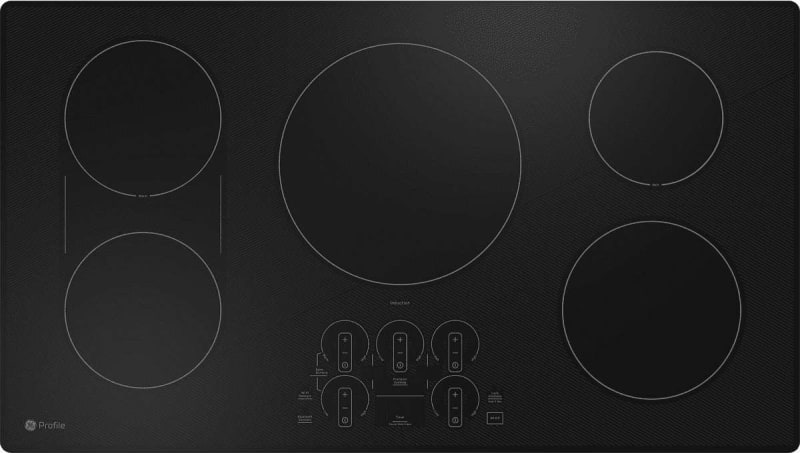

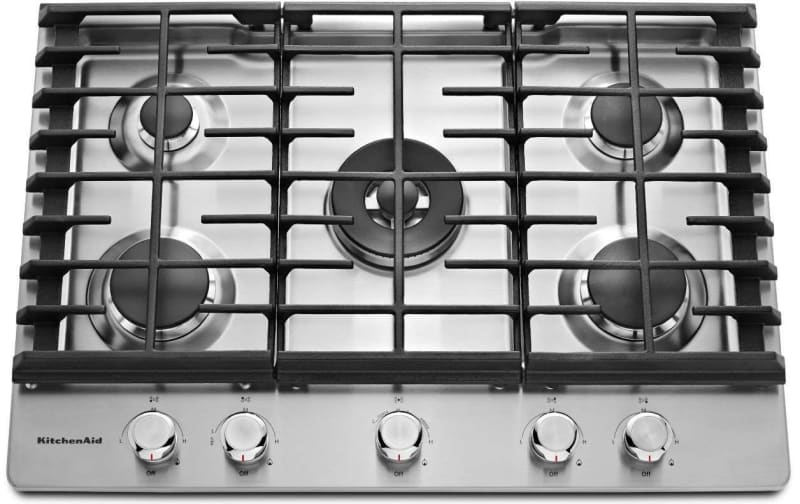
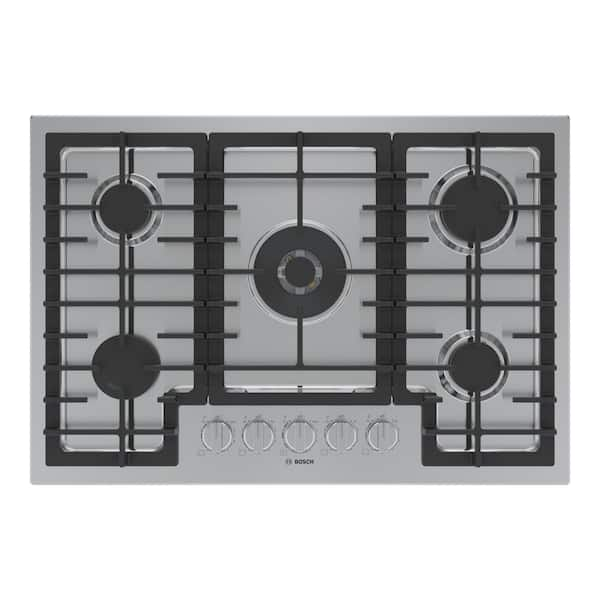

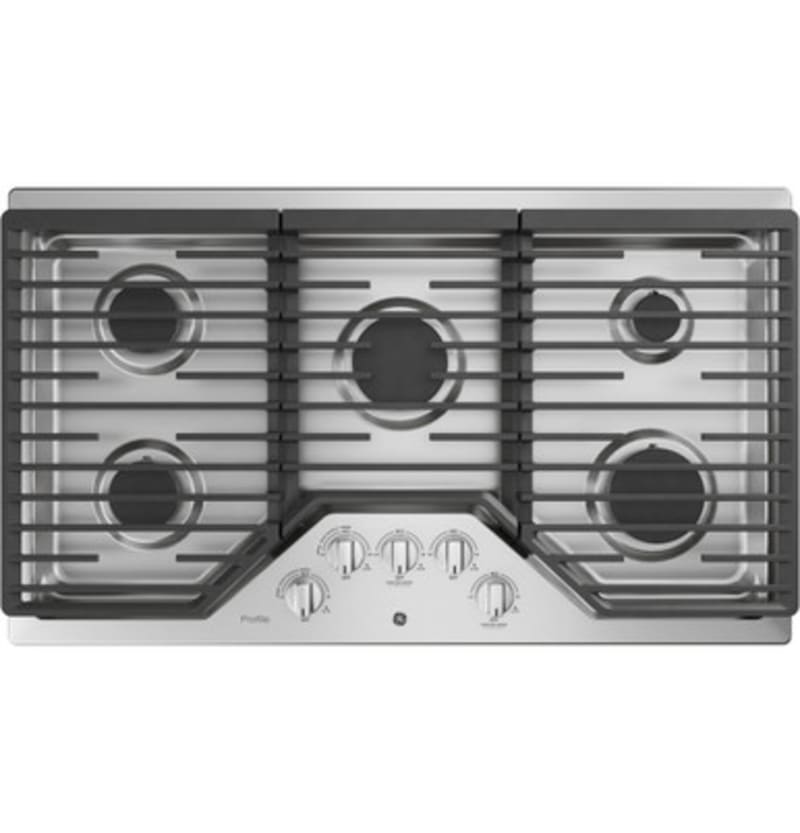

Buying Guide
How to choose cooktops
Cutout size is the number that counts
Manufacturers publish both an overall size and a required cutout, and they are not the same: the visible top overhangs the hole it sits in. Replacing a cooktop with a different model means comparing cutout to cutout, and a new cutout that is larger is straightforward while one that is smaller means a countertop repair or replacement.
Depth below the surface
Cooktops need room underneath, and induction units need more than they look like they should because of the electronics and their cooling. If there is a drawer or a wall oven directly below, check the required clearance before ordering: this is the constraint that most often rules out a specific model.
Power supply, especially for induction
Gas cooktops need a gas line and usually a nearby outlet for the igniters. Electric and induction need a dedicated 240V circuit, and induction frequently requires higher amperage than the radiant cooktop it replaces. Check the breaker size the model specifies rather than assuming the existing circuit is adequate.
Ventilation is a separate purchase
Unlike a range, a cooktop rarely comes with any extraction. You need a hood above or a downdraft system, and downdraft units take up cabinet space below and are less effective on rear burners. Plan the ventilation at the same time, not afterwards.
More depth: gas against electric against induction.
Cooktops
Frequently Asked Questions
Can I replace my cooktop with a different size?+
Going larger is usually possible, since the countertop cutout can be enlarged. Going smaller is the hard direction: the new cooktop may not cover the existing hole, which means a countertop repair or replacement. Always compare the required cutout dimensions rather than the overall dimensions.
Does an induction cooktop need special wiring?+
It needs a dedicated 240V circuit, and often a higher amperage breaker than an older radiant cooktop used. The specification is in the installation manual; assuming the existing circuit is sufficient is a common and expensive mistake. An electrician should confirm before the appliance arrives.
Do I need special cookware for induction?+
Yes. Induction works by inducing a current in the pan itself, so the cookware must be magnetic. A fridge magnet sticking firmly to the base is the standard test. Most cast iron and many stainless pans work; aluminium and copper without a magnetic base do not.