Loading
Category
Espresso Accessories
The accessories that change your coffee are the unglamorous ones: something that fits your basket properly, and water that will not scale up the machine you just bought.
Data coverage: 0 of 4 products have a verified live price. Newest price check . Price-state and stale-data rules
Products
4
From
$16.95
Avg Price
$40
Brands
3


Buying Guide
How to choose espresso accessories
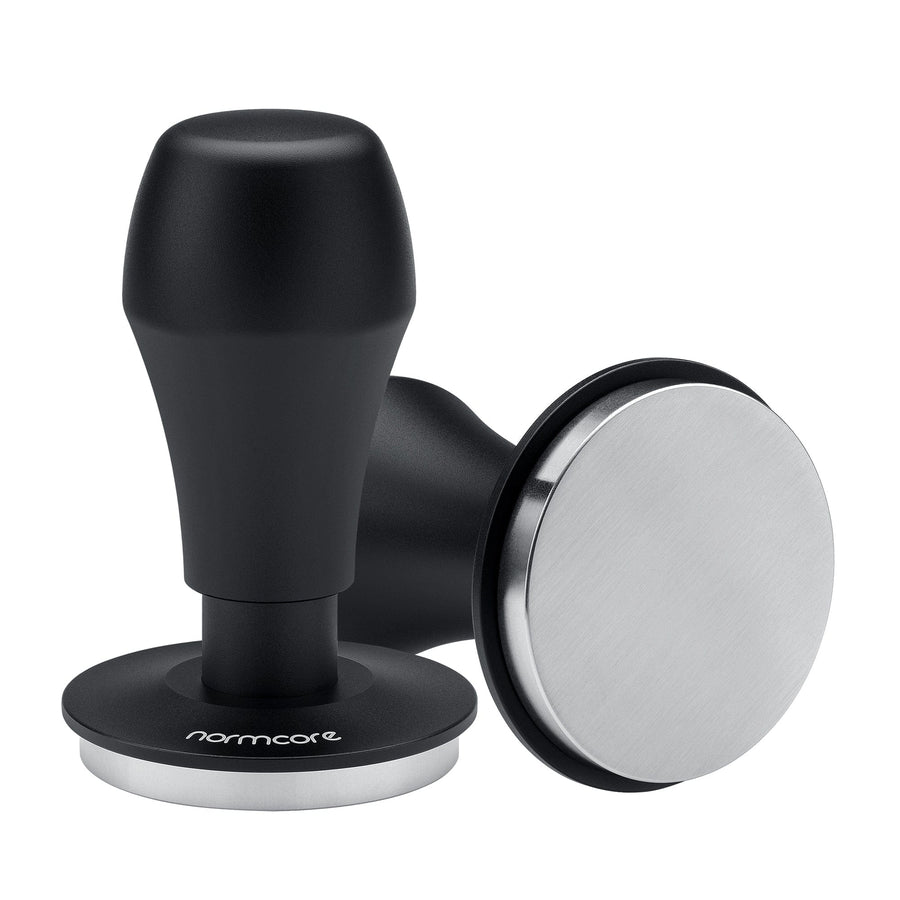
A tamper has to match your basket, not your machine
Tamper sizing is quoted in millimetres and is measured against the basket, which is slightly narrower than the portafilter it sits in. A 58 mm portafilter usually wants a tamper a shade over 58 mm. Undersized tampers leave an untamped ring at the edge, which is a direct cause of channelling.
Water is the ingredient and the main hazard
Espresso is overwhelmingly water, and hard water both dulls extraction and deposits scale in the boiler. An in-tank filter reduces both, and most machines let you set water hardness so descaling prompts arrive at the right interval rather than a generic one.
Bean storage does more than a canister looks like it should
Coffee stales through oxygen exposure far faster than most people expect, which is why a bag rolled shut on the counter tastes flat within a couple of weeks. A sealed or vacuum container slows that down, and matters most if you buy larger bags or rotate between coffees.
Buy for the machine you own
Water filters in particular are model-specific consumables rather than generic parts, so check the fit against your machine before buying. The same goes for baskets and portafilters, where the size has to match what your group head takes.
More depth: which machine type fits how you actually drink coffee and how to read a grinder spec sheet.
Espresso Accessories
Frequently Asked Questions
What size tamper do I need?+
Match the basket rather than the portafilter. Machines with a 58 mm portafilter typically take a tamper marginally over 58 mm so it reaches the basket wall; compact machines with 54 mm groups take a correspondingly smaller tamper. A tamper that is too small leaves an unpacked edge for water to channel through.
Do I need a water filter for my espresso machine?+
If your water is hard, yes: scale is the most common cause of premature failure in home espresso machines, and it builds invisibly inside the boiler. A filter also improves the taste of the shot. Filters are usually specific to the machine, so check compatibility rather than buying generically.
Is a spring-loaded tamper worth it over a flat one?+
It is a consistency aid rather than an upgrade in results. A calibrated or spring-loaded tamper clicks at a set pressure, which removes one variable while you are learning and helps if several people use the machine. Experienced hands get the same result with a plain flat tamper.